By an Emergency Physician
Every day in the emergency department, we see patients whose lives change in an instant because of a stroke. Some recover remarkably well because they arrived quickly and received timely treatment. Others face lifelong disability because treatment was delayed.
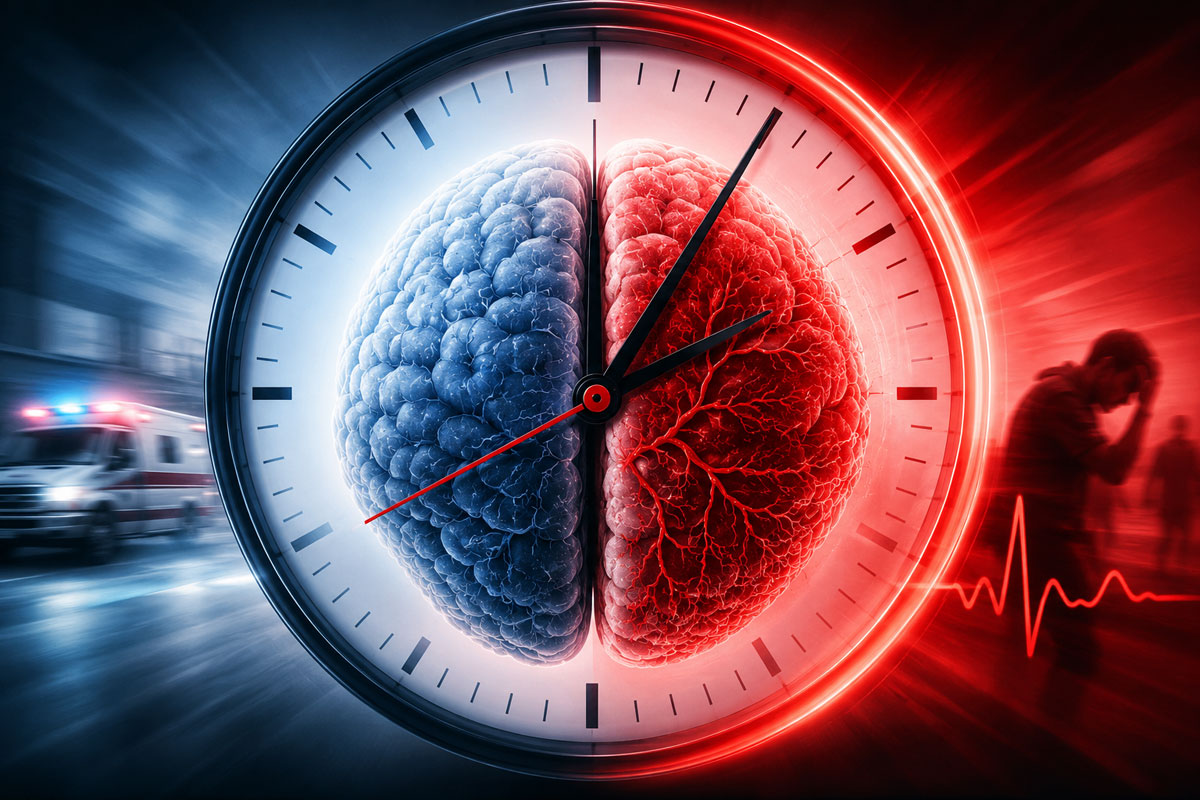
The difference is often measured not in days or hours—but in minutes.
What Is a Stroke?
A stroke occurs when blood flow to part of the brain is interrupted, preventing brain cells from receiving the oxygen and nutrients they need. Within minutes, brain cells begin to die.
Stroke is a medical emergency. Just as chest pain can signal a heart attack, sudden neurological symptoms can signal a stroke and require immediate medical attention.
The Most Important Stroke Message: Don’t Wait
Many people make a dangerous mistake when stroke symptoms begin. They wait to see if the symptoms improve, take a nap, call family members, or search the internet for answers.
Every minute spent waiting can lead to more brain damage.
Emergency physicians often use the phrase:
“Time is Brain.”
The sooner a patient reaches the hospital, the more treatment options may be available and the better the chances of recovery.
Know the Warning Signs: Think FAST
The easiest way to recognize a stroke is the FAST test:
F – Face Drooping
Ask the person to smile. Does one side of the face droop?
A – Arm Weakness
Ask the person to raise both arms. Does one arm drift downward?
S – Speech Difficulty
Is the speech slurred, confused, or difficult to understand?
T – Time to Call Emergency Services
If any of these signs are present, seek emergency medical help immediately.
Other Stroke Symptoms You Should Never Ignore
Stroke symptoms may also include:
- Sudden numbness or weakness on one side of the body
- Sudden loss of vision in one or both eyes
- Severe headache with no obvious cause
- Dizziness or loss of balance
- Difficulty walking
- Sudden confusion
Even if symptoms disappear after a few minutes, medical evaluation is still necessary.
What Happens at the Hospital?
When a patient with possible stroke arrives at the emergency department, a specialized team works rapidly to:
- Assess symptoms
- Determine when symptoms started
- Perform brain imaging
- Identify the type of stroke
- Decide whether emergency treatment is appropriate
For some patients, medications can help dissolve blood clots. Others may benefit from specialized procedures that remove the clot and restore blood flow to the brain.
These treatments are most effective when administered as quickly as possible.
Can Stroke Be Prevented?
Many strokes can be prevented by managing risk factors such as:
- High blood pressure
- Diabetes
- High cholesterol
- Smoking
- Obesity
- Physical inactivity
- Heart rhythm disorders such as atrial fibrillation
Regular health checkups and healthy lifestyle choices can significantly reduce stroke risk.
A Message from the Emergency Department
As emergency physicians, we want the public to remember one simple message:
If you suspect a stroke, do not wait. Do not drive yourself if you are severely affected. Seek emergency medical care immediately.
Recognizing the signs early and acting quickly could save a life, preserve independence, and prevent permanent disability.
When it comes to stroke, every minute truly matters.
Dr. Hima Bindu Pallanti
MD, MEM, MRCEM
Consultant – Consultant Emergency Department