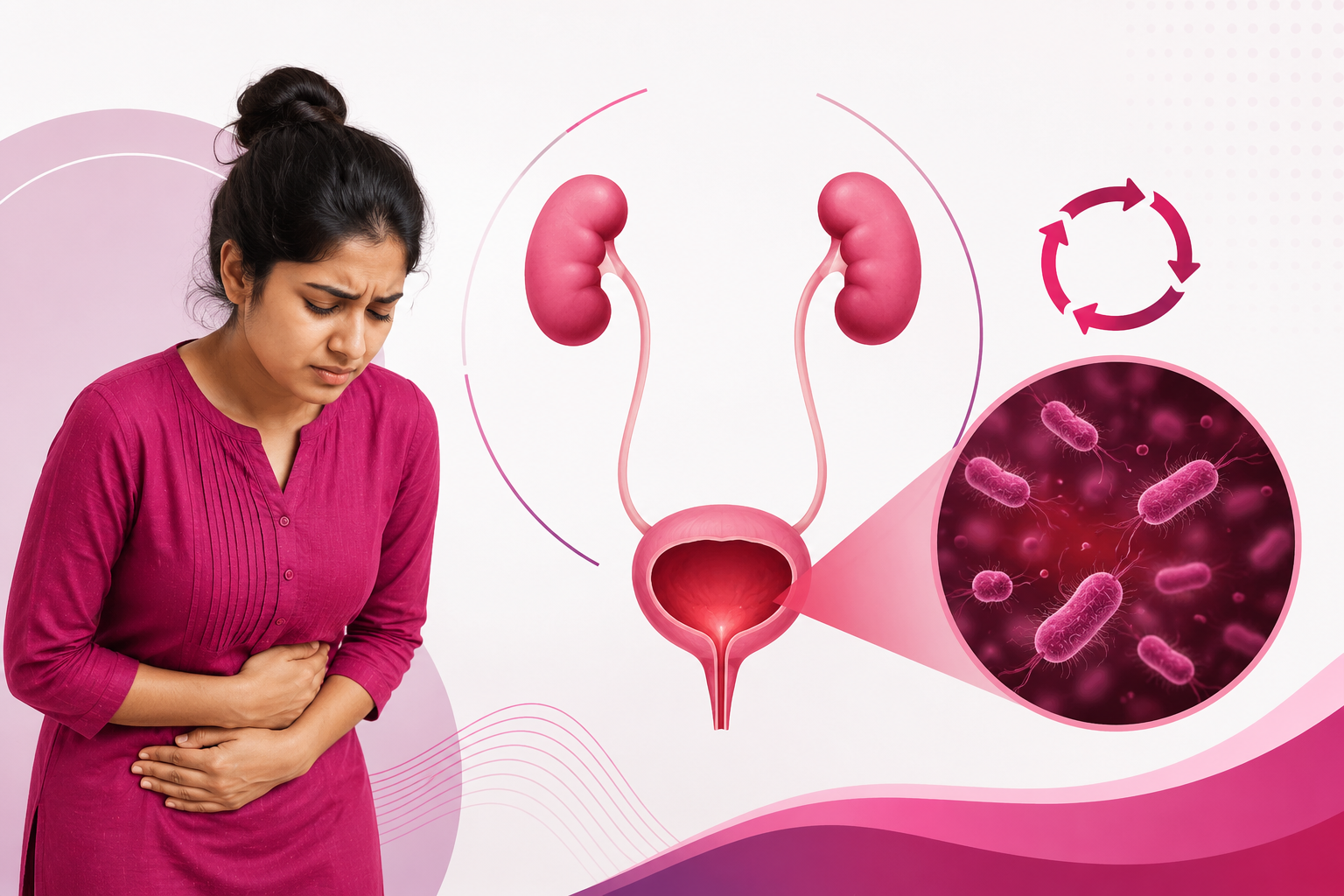
Recurrent urinary tract infections (rUTIs), defined as two or more infections within six months or three or more within a year, are far more than a painful inconvenience.
While many people think of a UTI as a temporary problem that resolves with a short course of antibiotics, repeatedly treating infections without identifying the underlying cause can lead to serious health consequences.
As a nephrologist, the role extends beyond treating bladder symptoms to focus on protecting your kidneys and preserving your long-term renal health.
When UTIs keep returning, it’s time to move beyond temporary symptom relief and understand why the infections are recurring.
Imagine your Bladder as a Nightclub.
- Think of your bladder as an exclusive nightclub, and bacteria as unwanted party crashers.
- Antibiotics act like the bouncers, throwing the troublemakers out.
- The club is peaceful for a while, but then, a week or two later, the same troublemakers are back.


Why does this happen?
The first step is determining whether the infection is a relapse or a reinfection.
Relapse vs. Reinfection: Who’s Crashing the Party?
Relapse: The hider
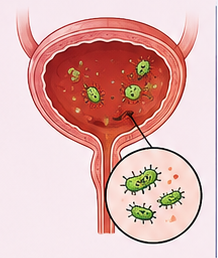
- The same bacteria from the previous infection never completely left.
- Instead, they hid deep within the bladder lining, survived the antibiotic treatment, and re-emerged once the medication wore off.
- Relapses usually occur within two weeks of completing treatment and often indicate incomplete bacterial clearance or persistent infection.
Reinfection: The new guest
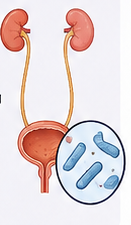
- A different bacterial strain enters the urinary tract after the previous infection has completely resolved, typically more than two weeks later.
- Reinfections usually point toward underlying anatomical, hormonal, or lifestyle factors that increase susceptibility.
The Hidden Triggers
Bacteria rarely appear without a reason. They usually take advantage of conditions that make the urinary tract vulnerable.
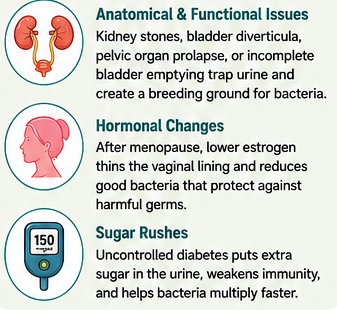
Why do your Kidneys Care?

Most uncomplicated UTIs remain confined to the bladder and urethra. However, recurrent infections that are not properly evaluated can threaten the kidneys.
The Nephrologist’s Approach to Diagnosing Recurrent UTIs
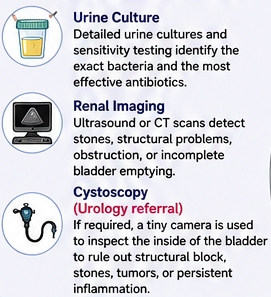


Breaking the Cycle: Prevention and Treatment
Successful management of recurrent UTIs requires a personalized approach that combines lifestyle modifications with targeted medical treatment.
1. Daily lifestyle modifications

Stay well hydrated: Aim for approximately 2.5–3 liters of water daily, unless your doctor has advised otherwise. Good hydration helps flush bacteria out before they can attach to the bladder lining.

Don’t delay urination. Empty your bladder whenever you feel the urge, and make sure you empty it completely. Urinating soon after sexual intercourse may also help reduce bacterial entry into the urinary tract.

Maintain bowel health. Treat constipation or chronic diarrhea promptly, as bowel dysfunction can increase the risk of bacterial spread to the urinary tract.

Practice good hygiene. Wipe from front to back and avoid douching, harsh feminine hygiene products, or spermicides, which can disrupt the natural protective bacteria around the urinary tract.
2. Medical strategies

Vaginal estrogen therapy: In postmenopausal women, localized vaginal estrogen can restore healthy vaginal flora and significantly reduce recurrent infections.

Non-antibiotic prevention: Cranberry products and certain other preventive therapies may reduce bacterial attachment to the bladder lining in selected individuals.

Antibiotic prophylaxis: For patients with frequent recurrences, low-dose preventive antibiotics for three to six months or a single dose taken after sexual intercourse when appropriate may be recommended under medical supervision.
Don’t Just Treat the Symptoms.
- Repeated courses of antibiotics without investigating the underlying cause may provide temporary relief while increasing the risk of antibiotic resistance.
- If you’re experiencing recurrent UTIs, don’t simply treat each episode in isolation.
- A thorough evaluation can identify the reason infections keep returning, reduce future episodes, and, most importantly, protect your kidneys for years to come.

Dr Ankita Dilip Patil
Consultant Nephrologist and Transplant Physician
Prakriya Hospitals, Bangalore