


22+
Years of Experience
LANGUAGES SPOKEN
- English
- Kannada
- Hindi
- Tamil
- Telugu

Prakriya Hospitals is dedicated to excellence in neurology and neurosurgery
Prakriya Hospitals is dedicated to excellence in neurology and neurosurgery, offering comprehensive services backed by advanced technologies and expert medical professionals. Our commitment is to provide exceptional care to patients with neurological disorders, ensuring personalized treatment and innovative approaches.
Our Neurology Department is committed to delivering exceptional medical expertise in the diagnosis and treatment of various neurological conditions. We focus on addressing:
Our neurologists collaborate with other specialists to provide integrated care and state-of-the-art medical services at an affordable cost.
Prakriya Hospitals is renowned for its patient-centric approach to treating disorders of the brain, spinal cord, muscles, and nerves. We offer specialized outpatient services, including epilepsy clinics, and cover a wide range of conditions such as:
Our Neurophysiology treatments include diagnostic procedures such as Electroencephalography (EEG), Electromyography (EMG), Nerve Conduction Studies, and Botox.
A progressive movement disorder caused by the loss of dopamine-producing brain cells. The disease is characterized by tremors, muscle stiffness, and slow movement.
A medical emergency caused by the interruption or reduction of blood flow to the brain. This results in the loss of brain cells due to the lack of oxygen. The loss of brain cells can lead to the loss of motor skills and speech.
A central nervous system disorder characterized by abnormal brain activity. This results in seizures, unusual behaviors, unusual feelings, and loss of consciousness.
A group of disorders involving the loss of muscle functions in one or more muscles. These disorders are often caused by damage to the spinal cord or brain, which results in the inability of the brain to send messages to the rest of the body.
A group of disorders involving problems with the quality, timing, and amount of sleep. These disorders include insomnia and sleep apnea.
A disease in which the immune system attacks the protective covering (myelin) surrounding nerve fibers. This results in “short circuits” in the communication process between the brain and the rest of the body.
If a person suffers a blow to the head, it might result in a concussion or a severe bleed. The treatment for a brain trauma patient includes maintaining stability, reducing pressure, and removing clotted blood or damaged brain matter.
Accidents and injuries might result in spine or spinal cord injuries, which might cause paralysis. The treatment for a spine or spinal cord injury includes removing pressure from the spine and preventing further nerve damage.
If a stroke occurs because of a bleed, the blood clots might be removed, and for ischemic stroke, a mechanical device might be inserted into the brain vessel and then removed with a blood clot. These surgeries, called 'brain time,' must be conducted immediately.
Tumors, which might be malignant or benign, might put pressure on the delicate nervous tissues. The treatment for a brain or spine tumor includes precise mapping and removing the tumor while maintaining major motor and mental functions.
This is a minimally invasive technique that requires making a very small hole or using a natural orifice, like the nostrils, and inserting a thin, flexible endoscope. This minimizes damage and accelerates the healing process.
An aneurysm is a weak spot in the vessel, and an AVM is a tangle of blood vessels. Both have a high risk of rupture, which might be fatal. The treatment for an aneurysm or an AVM includes clipping or coiling.
If medication for epilepsy is ineffective, a surgeon might operate and remove the part of the brain that triggers a seizure. In some difficult cases, a neuromodulation device might be implanted that sends electrical impulses that interfere with seizure activity.
When the intervertebral discs herniate or deteriorate, nerves can be pinched, resulting in pain and weakness. A discectomy, a surgical procedure to remove the affected disc, can cure the disease.
It involves stabilizing the spine by inserting instrumentation, e.g., rods, screws, and plates, in the spine. It is often accompanied by spinal fusion to correct deformities, fractures, or instability in the spine.
An abnormal accumulation of extra cerebrospinal fluid in the brain, contained in the ventricles, results in a dangerous increase in intracranial pressure. A shunt, a device to divert the fluid to other body parts, is the preferred treatment.
Spinal deformities, e.g., Spina Bifida or a tethered cord, are present at birth and require urgent treatment to protect the spinal cord as the child grows.
Infections, e.g., brain abscess or meningitis, are serious diseases characterized by brain inflammation or pus formation in certain parts of the brain. Antibiotics are the preferred treatment to cure the disease.

Consultant - Neurosurgeon (Brain, Spine & Skull Base Surgeon) & Interventional Neurologist

Consultant - Neurosurgeon

Consultant - Paediatric Neurologist
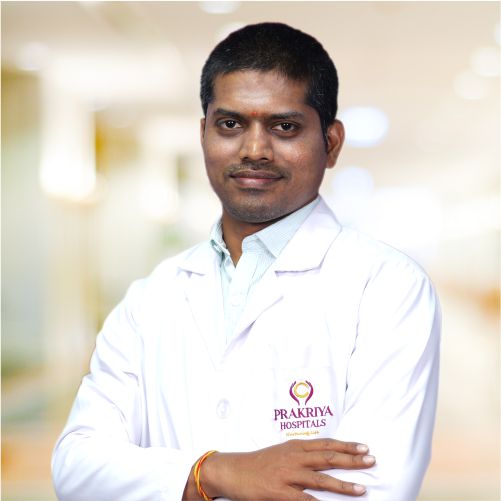
Consultant - Neurology
A progressive movement disorder caused by the loss of dopamine-producing brain cells. The disease is characterized by tremors, muscle stiffness, and slow movement.
A medical emergency caused by the interruption or reduction of blood flow to the brain. This results in the loss of brain cells due to the lack of oxygen. The loss of brain cells can lead to the loss of motor skills and speech.
A central nervous system disorder characterized by abnormal brain activity. This results in seizures, unusual behaviors, unusual feelings, and loss of consciousness.
A group of disorders involving the loss of muscle functions in one or more muscles. These disorders are often caused by damage to the spinal cord or brain, which results in the inability of the brain to send messages to the rest of the body.
A group of disorders involving problems with the quality, timing, and amount of sleep. These disorders include insomnia and sleep apnea.
A disease in which the immune system attacks the protective covering (myelin) surrounding nerve fibers. This results in “short circuits” in the communication process between the brain and the rest of the body.
If a person suffers a blow to the head, it might result in a concussion or a severe bleed. The treatment for a brain trauma patient includes maintaining stability, reducing pressure, and removing clotted blood or damaged brain matter.
Accidents and injuries might result in spine or spinal cord injuries, which might cause paralysis. The treatment for a spine or spinal cord injury includes removing pressure from the spine and preventing further nerve damage.
If a stroke occurs because of a bleed, the blood clots might be removed, and for ischemic stroke, a mechanical device might be inserted into the brain vessel and then removed with a blood clot. These surgeries, called 'brain time,' must be conducted immediately.
Tumors, which might be malignant or benign, might put pressure on the delicate nervous tissues. The treatment for a brain or spine tumor includes precise mapping and removing the tumor while maintaining major motor and mental functions.
This is a minimally invasive technique that requires making a very small hole or using a natural orifice, like the nostrils, and inserting a thin, flexible endoscope. This minimizes damage and accelerates the healing process.
An aneurysm is a weak spot in the vessel, and an AVM is a tangle of blood vessels. Both have a high risk of rupture, which might be fatal. The treatment for an aneurysm or an AVM includes clipping or coiling.
If medication for epilepsy is ineffective, a surgeon might operate and remove the part of the brain that triggers a seizure. In some difficult cases, a neuromodulation device might be implanted that sends electrical impulses that interfere with seizure activity.
When the intervertebral discs herniate or deteriorate, nerves can be pinched, resulting in pain and weakness. A discectomy, a surgical procedure to remove the affected disc, can cure the disease.
It involves stabilizing the spine by inserting instrumentation, e.g., rods, screws, and plates, in the spine. It is often accompanied by spinal fusion to correct deformities, fractures, or instability in the spine.
An abnormal accumulation of extra cerebrospinal fluid in the brain, contained in the ventricles, results in a dangerous increase in intracranial pressure. A shunt, a device to divert the fluid to other body parts, is the preferred treatment.
Spinal deformities, e.g., Spina Bifida or a tethered cord, are present at birth and require urgent treatment to protect the spinal cord as the child grows.
Infections, e.g., brain abscess or meningitis, are serious diseases characterized by brain inflammation or pus formation in certain parts of the brain. Antibiotics are the preferred treatment to cure the disease.
Consultant - Neurosurgeon (Brain, Spine & Skull Base Surgeon) & Interventional Neurologist
Consultant - Neurosurgeon
Consultant - Paediatric Neurologist
Consultant - Neurology
Experience the difference at Prakriya Hospitals. Schedule a consultation with our expert neurology and neurosurgery team for compassionate and comprehensive care tailored to your neurological needs. Your well-being is our priority!


Sign up today. Be the reason someone’s tomorrow is brighter.....

Warning Signs: Indications to Seek Urgent Medical Attention Among.....

When the heart cannot pump enough blood to meet the body’s needs.....

The shoulder plays an important role in supporting a host.....

The hospital staff were also remarkable. They were attentive, kind, and efficient, ensuring that Rashmika was comfortable and well taken care of at all times. The facilities were clean and well-maintained, contributing to a positive healing environment.
5.0
My brother got admitted in prakriya hospital under neurology, treatment was good, supporting staff was good and Dr. Apuroopa & Team is very good Thank you
4.5
I highly recommend Prakriya Hospital to anyone in need of medical care. Thank you, Dr. Shilpa and the entire team, for your outstanding service and for taking such great care of my daughter during a challenging time.
5.0
Neurology team is good, special thanks dr. Apuroopa, Valli, muzamil, pushparani, archana, pavitha all good
5.0
My dad got admitted in prakriya hospital for treatment, experience was good , supporting staff and thanks to Dr. Apuroopa and coordinator Muzamil. Thank you
5.0
I got admitted in prakriya hospital under neurology, very good experience, supporting staff and especially I'm very thankful to Dr. Apuroopa and coordinator muzamil
5.0
My son got admitted in prakriya hospital for stroke under neurology team, hospital staff is very good, treatment was very good and Especially thank you to Dr. Apuroopa, Muzamil and Team
5.0
Excellent services visited for stroke treatment for my Mother special thanks to Dr Apuroopa (Neurologist )Ma'am the way she explains the patient conditions the ways she behaves with the patients is out standing...
5.0
Neurosurgeon Dr. Hariprakash is very good doctor and anil brother, valli over all good.
5.0
Neuroteam is very excellent, thank you dr. hariprakash, anil brother, valli, kavana, archana over all good
5.0
My brother met with an accident and got admitted in prakriya hospital under neurosurgery, treatment was good, supporting was good thanks to Dr. Hariprakash C and Coordinator muzamil.
5.0
My daughter admitted under neurosurgery good supporting staff and thanks to Dr. Hariprakash C and Team
5.0
Dr Hariparakash and team Neurosurgery was good thank you prakriya
5.0
Dr Hariprakash chakravarthy and team Neurosurgery staff nurse was nicely taken care of my father and the hospitality was also nice.
5.0
Dr.Hariprakash and neurosurgery team, all nursing staff care excellent.
5.0
I was admitted for neuro treatment under Dr Hariprakash extremly satisfied with the treatment thank you prakriya
5.0
Neuro team is very good, special thanks Dr Hariparakash, Anil , Dr. Apuroopa, Valli
5.0
Please feel free to contact us for any medical and general enquires.


Follow us


 Parkinson's Disease
 Stroke
 Epilepsy
 Paralytic Disorders
 Sleeping Disorders
.png) Multiple Sclerosis (MS)
Multiple Sclerosis (MS) Neuropathies
 Muscular Disorders
 Neuroinfections
