


30+
Years of Experience
LANGUAGES SPOKEN
- English
- Kannada
- Hindi

We are committed to providing comprehensive and compassionate care to women at every stage of life.
At Prakriya Hospitals, we are committed to providing comprehensive and compassionate care to women at every stage of life. Our Department of Obstetrics & Gynaecology is staffed by highly skilled and experienced specialists who offer a wide range of services, from routine check-ups to advanced treatments. We prioritize patient-centered care, using the latest technologies and evidence-based practices to ensure the best outcomes for our patients.
The natural process of childbirth through the birth canal without major surgery. It has three stages: labor, delivery of the baby, and delivery of the placenta.
Educational classes for new mothers to learn about life after pregnancy. Topics include breastfeeding, baby care, pelvic floor healing, and postpartum mental health.
Medical care before and after childbirth. This ensures the health of both the mother and baby, monitoring progress and development.
Vaccinating a pregnant woman with specific vaccines (such as Tdap and Flu) to protect the mother and provide early immunity to the baby.
A series of medical check-ups and safe physical exercise specifically designed for pregnant women. This helps with weight management, mood improvement, and preparing the body for the physical challenges of childbirth.
Normal pregnancy follows a normal low-risk pregnancy, while high-risk pregnancies include factors such as older maternal age, twins, or pre-existing conditions (such as diabetes).
The medical treatment of women to help them conceive, from ovulation-stimulating drugs to more complex treatments such as IVF.
The evaluation of the couple to determine why they are not conceiving, followed by a treatment plan to correct the hormonal, anatomical, or idiopathic problems with their reproductive system.
A combination of two procedures in which a small camera is passed through the uterus (hysteroscopy) and the abdomen (laparoscopy). This enables the physician to directly observe the reproductive organs for any obstructions, scars, or endometriosis.
Polycystic Ovary Syndrome/Disease is a hormonal imbalance that results in the enlargement of the ovaries with multiple small cysts. It can cause irregular menses, acne, obesity, and infertility.
A "keyhole" surgery where the fallopian tubes are blocked or clipped to prevent pregnancy permanently. It provides a quicker recovery than open surgery.
A minimally invasive surgery to remove a cyst from an ovary while leaving the healthy ovarian tissue intact.
The surgical removal of uterine fibroids (non-cancerous growths). The use of a laparoscope provides smaller incisions and less scarring than an open myomectomy.
A procedure to remove tissue from inside the uterus. It is used to empty the uterine lining after a miscarriage, abortion, or to investigate heavy bleeding.
A discontinued procedure for permanent contraception where metal coils are inserted into the fallopian tubes to induce scarring and blockage.
A form of permanent surgical contraception where the fallopian tubes are severed, tied, or ligated to prevent the egg from reaching the uterus.
The process of terminating a pregnancy either through medication (pills) or surgery, depending on the stage of the pregnancy and the laws that govern it.
A service that assists people in making decisions about whether and when to have children, including the distribution of birth control pills, IUDs, and implants.
A wide-ranging category that includes any health problem associated with the female reproductive system, such as infections, pain, or abnormalities.
Problems associated with sexual desire, arousal, or pain during intercourse (Dyspareunia). These are treated by a combination of physical therapy, hormonal therapy, and counseling.
Abnormal bleeding from the uterus that is heavier, longer, or more frequent than a normal menstrual period. It can be caused by fibroids, hormonal imbalance, or polyps.
Treatment for overgrowth of yeast, bacteria, or parasites (such as BV or Candidiasis) with antibiotics or antifungal drugs to promote a healthy vaginal flora.
Providing medical care for young girls going through the transition of puberty. This can include issues of delayed puberty, very painful menses, or irregular cycles.
Managing the hormonal and metabolic aspects of PCOS in adolescents. This would specifically include cycle regulation and skin or weight problems in the young patient.
Managing the symptoms that occur as women reach the end of their menstrual cycles. This would include hot flashes, night sweats, bone density loss, and mood changes, typically managed by Hormone Replacement Therapy (HRT).
Routine screening procedures such as Pap smears or HPV tests to identify early indicators of cervical, ovarian, or uterine cancers before the onset of symptoms.
Specifically targeting the HPV vaccine, which protects against the strains of Human Papillomavirus that cause most cases of cervical cancer.
The combined medical specialty dealing with pregnancy and childbirth (Obstetrics) and the overall health of the female reproductive system (Gynaecology).
Employing high-frequency sound waves to generate images of the reproductive organs or a fetus to assess health and diagnose problems.

Consultant - Obstetrician and Gynaecologist
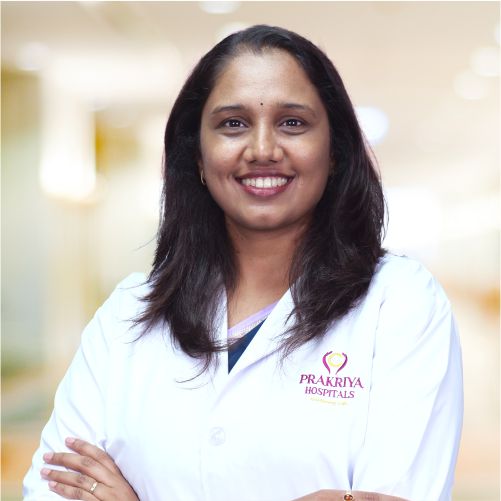
Consultant - Obstetrician, Gynaecologist & Laparoscopic Surgeon
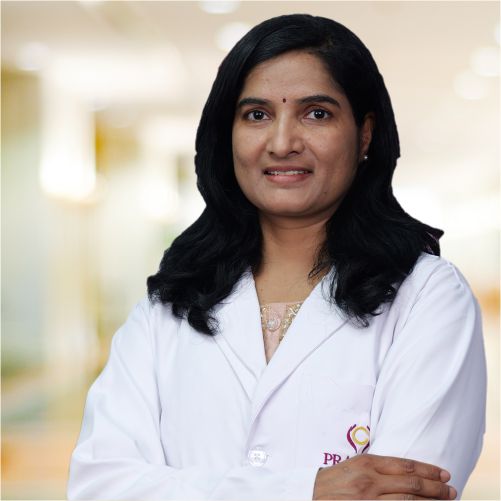
Consultant - Obstetrics and Gynecology
The natural process of childbirth through the birth canal without major surgery. It has three stages: labor, delivery of the baby, and delivery of the placenta.
Educational classes for new mothers to learn about life after pregnancy. Topics include breastfeeding, baby care, pelvic floor healing, and postpartum mental health.
Medical care before and after childbirth. This ensures the health of both the mother and baby, monitoring progress and development.
Vaccinating a pregnant woman with specific vaccines (such as Tdap and Flu) to protect the mother and provide early immunity to the baby.
A series of medical check-ups and safe physical exercise specifically designed for pregnant women. This helps with weight management, mood improvement, and preparing the body for the physical challenges of childbirth.
Normal pregnancy follows a normal low-risk pregnancy, while high-risk pregnancies include factors such as older maternal age, twins, or pre-existing conditions (such as diabetes).
The medical treatment of women to help them conceive, from ovulation-stimulating drugs to more complex treatments such as IVF.
The evaluation of the couple to determine why they are not conceiving, followed by a treatment plan to correct the hormonal, anatomical, or idiopathic problems with their reproductive system.
A combination of two procedures in which a small camera is passed through the uterus (hysteroscopy) and the abdomen (laparoscopy). This enables the physician to directly observe the reproductive organs for any obstructions, scars, or endometriosis.
Polycystic Ovary Syndrome/Disease is a hormonal imbalance that results in the enlargement of the ovaries with multiple small cysts. It can cause irregular menses, acne, obesity, and infertility.
A "keyhole" surgery where the fallopian tubes are blocked or clipped to prevent pregnancy permanently. It provides a quicker recovery than open surgery.
A minimally invasive surgery to remove a cyst from an ovary while leaving the healthy ovarian tissue intact.
The surgical removal of uterine fibroids (non-cancerous growths). The use of a laparoscope provides smaller incisions and less scarring than an open myomectomy.
A procedure to remove tissue from inside the uterus. It is used to empty the uterine lining after a miscarriage, abortion, or to investigate heavy bleeding.
A discontinued procedure for permanent contraception where metal coils are inserted into the fallopian tubes to induce scarring and blockage.
A form of permanent surgical contraception where the fallopian tubes are severed, tied, or ligated to prevent the egg from reaching the uterus.
The process of terminating a pregnancy either through medication (pills) or surgery, depending on the stage of the pregnancy and the laws that govern it.
A service that assists people in making decisions about whether and when to have children, including the distribution of birth control pills, IUDs, and implants.
A wide-ranging category that includes any health problem associated with the female reproductive system, such as infections, pain, or abnormalities.
Problems associated with sexual desire, arousal, or pain during intercourse (Dyspareunia). These are treated by a combination of physical therapy, hormonal therapy, and counseling.
Abnormal bleeding from the uterus that is heavier, longer, or more frequent than a normal menstrual period. It can be caused by fibroids, hormonal imbalance, or polyps.
Treatment for overgrowth of yeast, bacteria, or parasites (such as BV or Candidiasis) with antibiotics or antifungal drugs to promote a healthy vaginal flora.
Providing medical care for young girls going through the transition of puberty. This can include issues of delayed puberty, very painful menses, or irregular cycles.
Managing the hormonal and metabolic aspects of PCOS in adolescents. This would specifically include cycle regulation and skin or weight problems in the young patient.
Managing the symptoms that occur as women reach the end of their menstrual cycles. This would include hot flashes, night sweats, bone density loss, and mood changes, typically managed by Hormone Replacement Therapy (HRT).
Routine screening procedures such as Pap smears or HPV tests to identify early indicators of cervical, ovarian, or uterine cancers before the onset of symptoms.
Specifically targeting the HPV vaccine, which protects against the strains of Human Papillomavirus that cause most cases of cervical cancer.
The combined medical specialty dealing with pregnancy and childbirth (Obstetrics) and the overall health of the female reproductive system (Gynaecology).
Employing high-frequency sound waves to generate images of the reproductive organs or a fetus to assess health and diagnose problems.
Consultant - Obstetrician and Gynaecologist
Consultant - Obstetrician, Gynaecologist & Laparoscopic Surgeon
Consultant - Obstetrics and Gynecology
Experience exceptional care and support at Prakriya Hospitals. Our team of dedicated obstetricians and gynaecologists is here to guide you through every stage of your health journey. Schedule your appointment today to prioritize your well-being.
We are committed to empowering women with knowledge and compassionate care. Trust Prakriya Hospitals for your obstetric and gynaecological needs.


Torsion of Large Subserous Uterine Fibroid in a Postmenopausal Woman.....

Sign up today. Be the reason someone’s tomorrow is brighter.....

Warning Signs: Indications to Seek Urgent Medical Attention Among.....

When the heart cannot pump enough blood to meet the body’s needs.....

The shoulder plays an important role in supporting a host.....

I admitted for my second baby delivery..Dr.rajini vaidya helped me to go through c section without any fear and hesitation...Staff is very friendly and they never denied to help at any time... overall experience is good at prakriya hospital..
5.0
Writing this feedback with heartfelt gratitude and appreciation to prakriya hospital management and staff, We are blessed to have Hospital like prakriya at 8th mail signal Bangalore Especially Dr. Kanaka ma’am with great experience and knowledge, we are much thank full to her service on time, highly recommended for gynaecology medication.
4.5
Experience with Prakriya hospital was so good. Especially Dr. Kanaka Seshu mam who took care of me with great experience and responsibilities in Surgery and care, Very much thankful that I was under her care,When it comes to staff and nurses they are helpfull...kalavathi mam highly responsible in maintaining our needs...Thank you Prakriya team…..
5.0
1.Dr .Rajani mam very support .my wife ,and my child .full responsibility work.2.Labour ward kala mam and labour ward staffs and team were all responsible and give good support Thanks to prakriya hospital and management
5.0
Dr. Rajani madam, your expertise and assurance made a significant difference in our experience. Your guidance and care throughout the pregnancy, labor, and delivery were invaluable.You play an important role in the birth of our healthy baby. Thank you so much..
5.0
I shouldn't miss adding a review about my pregnancy journey with Prakriya hospital. I thank Dr. Rajani Mam the best 👌 doctor I have ever found.. that dedication towards patients well being mam was with us since we got our faint pink line. I strongly recommend this hospital and the doctors here❤️..
5.0
Please feel free to contact us for any medical and general enquires.


Follow us


