Many of us grew up with home remedies for toothaches and bad breath: a clove here, some salt water there. Some of these traditions hold up to science. Others can quietly damage your teeth. Here’s what I tell my patients.
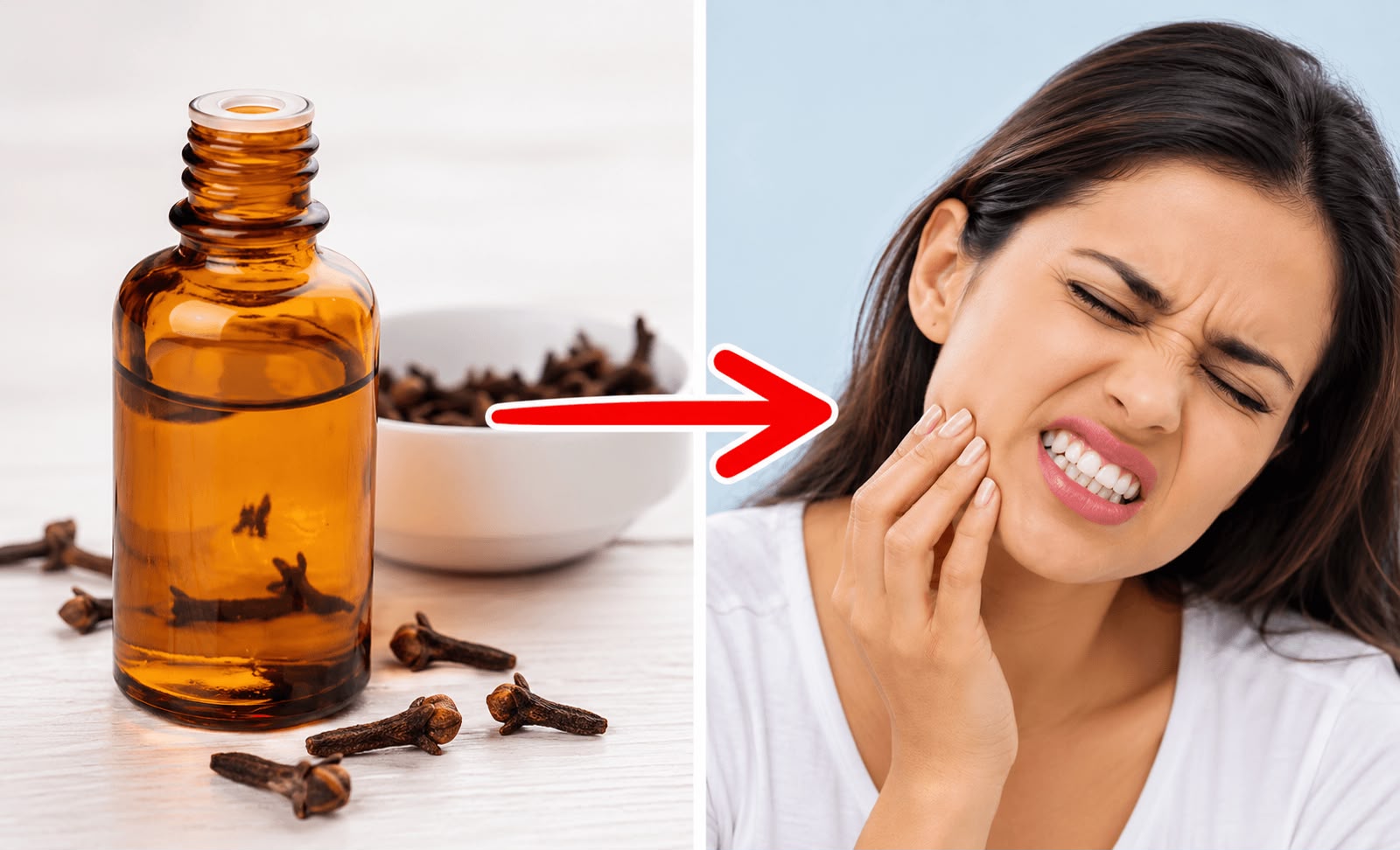
Myth 1: Clove oil cures a toothache
Verdict: Partly true.
Clove contains eugenol, a mild natural anaesthetic and antiseptic. It can numb pain for a short while. But it only masks the symptom and doesn’t treat the cause, such as a cavity or infection. Applied undiluted, it can burn your gums. Use it for temporary relief only, then see your dentist.
Myth 2: Neem twigs (datun) clean teeth better than a brush Verdict: Half true.
Neem has antibacterial properties, and chewing a datun can stimulate the gums. But it can’t clean as thoroughly as a toothbrush with fluoride toothpaste, especially between teeth and along the gumline. Fluoride is what protects enamel from decay, and neem doesn’t provide it.
Myth 3: Rubbing salt and mustard oil strengthens gums
Verdict: Mostly myth.
Salt and mustard oil massage is a popular tradition. Gentle massage may improve circulation, but coarse salt can scrape the gums and wear down enamel when rubbed hard. It doesn’t cure gum disease. Bleeding gums usually signal plaque buildup that needs professional cleaning.
Myth 4: Oil pulling whitens teeth and cures cavities
Verdict: Mostly myth.
Swishing coconut or sesame oil is an old Ayurvedic practice. Some studies suggest it may modestly reduce plaque and bad breath. But there’s no good evidence that it whitens teeth, heals cavities or replaces brushing. It’s fine as an extra, never as a substitute.
Myth 5: Charcoal, ash or brick powder makes teeth shiny and white Verdict: Myth, and a harmful one.
Rubbing ash, charcoal or similar powders on teeth is abrasive. It wears away enamel, which doesn’t grow back. Worn enamel makes teeth more yellow, more sensitive and more prone to decay.
Myth 6: Turmeric paste heals gum problems
Verdict: Partly true.
Turmeric has anti-inflammatory properties, and some studies show promise as a supporting aid. But it can stain teeth and won’t remove tartar. It doesn’t replace treatment.
Dr Shraddha | Prakriya Hospital
Myth 7: Salt water rinses are useless
Verdict: Fact, they help!
Warm salt water is one tradition that holds up well. It can soothe sore gums, ease minor swelling and keep the mouth clean after an extraction or a mouth ulcer. Half a teaspoon of salt in a glass of warm water is enough.
The takeaway
Traditional remedies can offer comfort, but they cannot treat tooth decay, gum disease or infection. Home remedies are fine as a short-term aid. Please don’t use them to delay a dental visit. A toothache that “goes away” with clove oil may still be a cavity getting deeper.
See a dentist if you have:
• Pain lasting more than 2 days
• Swelling in the face or gums
• Bleeding gums that don’t stop
• Sensitivity that keeps getting worse
Brush twice a day with fluoride toothpaste, floss daily, and visit your dentist every six months. Tradition is part of our heritage, but your teeth deserve the best of both worlds.
At Prakriya Hospital, our dental team is happy to answer your questions. Book a check-up today.
Dr. Shraddha Unchalli
Dentist, Prakriya Hospital, Bangalore