Pregnancy is an exciting journey, but it also places extraordinary demands on a woman’s body.
- One of the hardest-working organs during this time is the kidney.
- Healthy kidneys are essential for supporting both mother and baby, which is why kidney health and pregnancy outcomes are so closely linked.
- If the kidneys aren’t functioning well, it can disrupt fluid balance, blood pressure, and toxin removal, all of which are vital for a healthy pregnancy.
The good news? With early detection, regular monitoring, and teamwork between healthcare specialists, most kidney-related complications can be managed successfully.
Why are the kidneys so important during pregnancy?
During pregnancy, your kidneys work much harder than usual.
To meet these increased demands, blood flow to the kidneys rises significantly, allowing them to filter more efficiently.
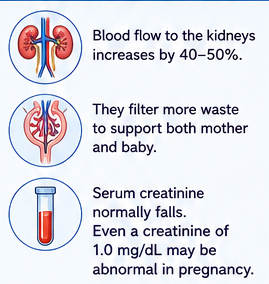
A creatinine that seems “normal” outside pregnancy may represent significant kidney dysfunction during pregnancy. This is why we interpret kidney function tests differently in pregnant women.
What can cause kidney injury during pregnancy?
The major causes can include:
- Hyperemesis gravidarum in early pregnancy

- Infections related or not related to pregnancy, Urinary tract infections, abortions

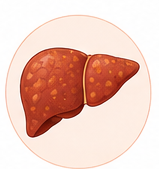
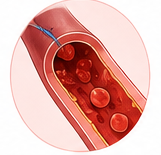
- Later pregnancy: preeclampsia, HELLP syndrome, acute fatty liver of pregnancy, thrombotic microangiopathy, which is a condition in which blood breaks down, and its products cause injury to the kidney
- Obstetric catastrophe (meaning very severe emergencies): leading to massive hemorrhage and/or cardiovascular collapse (e.g., placenta previa, placental abruption, prolonged intrauterine fetal death, or amniotic fluid embolism)
- Primary kidney diseases like glomerulonephritis, which means inflammation in the kidneys, lupus nephritis, and kidney stones.

What is Preeclampsia and how does it affect the kidney?
It arises due to placental insufficiency and can damage the small blood vessels in the kidneys, impairing their ability to filter properly.
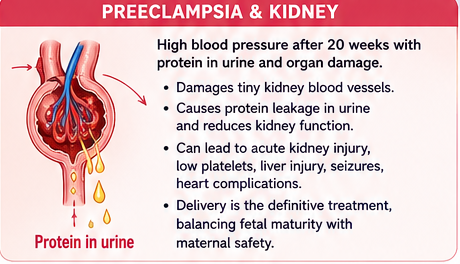
Additionally, it can injure platelets, causing them to drop, and can affect other organs such as the liver, heart, and brain. And once severe features develop, maternal risk rises quickly.
As it arises due to placental insufficiency, that is why the definitive treatment is often delivery, balancing fetal maturity with maternal safety.
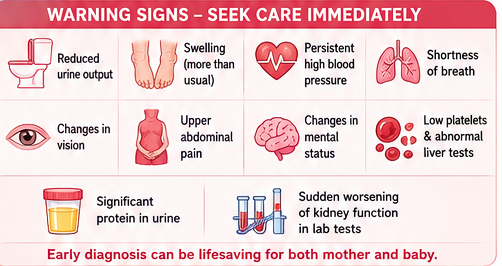
Many kidney problems develop quietly without obvious symptoms, which makes routine screening crucial. However, seek medical attention immediately if you notice warning signs.
Why should we be especially vigilant about kidney disease in pregnancy?
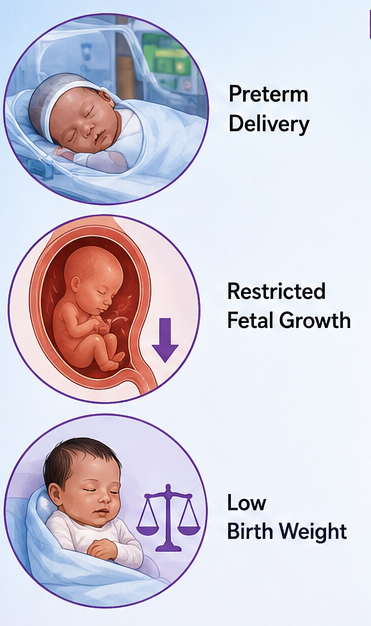
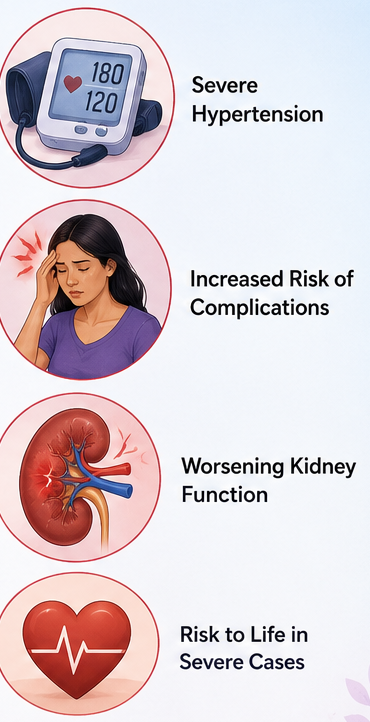
Kidney disease in pregnancy affects both mother and baby. Poor kidney function can lead to serious risks for both mother and baby.
Risks to Baby
Risks to Mother
How is kidney disease managed during pregnancy?
Management involves close collaboration with obstetric care and is essential for timing delivery and monitoring fetal well-being.
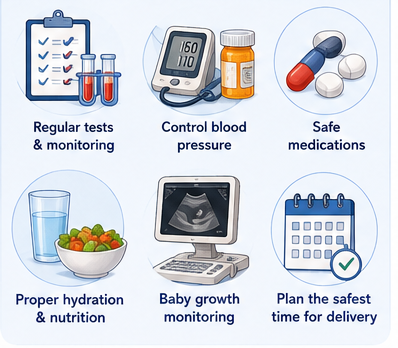
The goal is always to protect both mother and baby while allowing the pregnancy to continue safely whenever possible.
Planning pregnancy if you already have kidney disease
Women with kidney disease can have successful pregnancies, but planning ahead is essential. Preconception counseling is key.
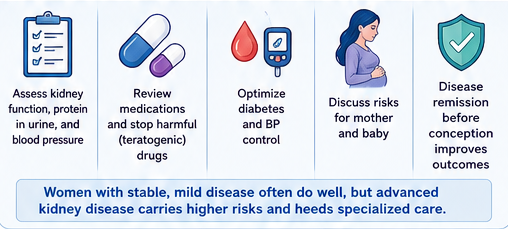
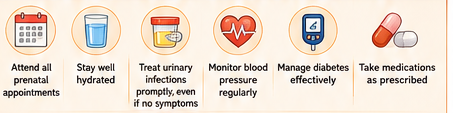
Can kidney diseases be prevented?
Although not every kidney complication can be prevented, healthy habits can greatly reduce the risks.
Your kidneys play a vital role in a healthy pregnancy.
Early preparation and expert care can make all the difference.
The Power of Teamwork

Pregnancy complicated by kidney disease is one of the best examples of why teamwork in medicine matters.
Obstetricians, nephrologists, neonatologists, critical care specialists, nurses, and laboratory teams often work together to ensure the safest possible outcome.

Dr Ankita Dilip Patil
Consultant Nephrologist and Transplant Physician
Prakriya Hospitals, Bangalore