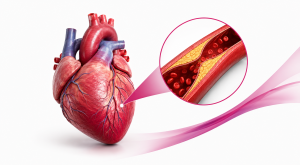
Our kidneys are silent workers
Most people do not think about their kidneys until there is a serious problem

- When blood sugar remains high for many years, it can damage the tiny blood vessels in the kidneys, reducing their ability to work properly
- In severe cases, the kidneys may eventually fail
- It may come as a surprise to many to learn that the kidney disease started years earlier because of uncontrolled sugar or blood pressure
- The good news is that kidney damage can often be prevented or slowed if detected early
How Diabetes affects the Kidneys?

- When blood sugar remains high for many years, it damages the tiny blood vessels inside the kidneys.
- These filters become weak and start leaking protein into the urine. In severe cases, the kidneys may eventually fail.
- This condition is called diabetic kidney disease.
How high blood pressure or hypertension affects the Kidneys?

- Hypertension deserves special attention because it works both ways: high blood pressure can damage the kidneys over time, but kidney disease itself can also cause high blood pressure.
- In some patients, newly detected or difficult-to-control hypertension may actually be the first warning sign of an underlying kidney disorder.
- Ignoring high blood pressure can therefore delay the diagnosis of kidney disease until it becomes advanced. The kidneys contain delicate blood vessels. High pressure inside these vessels slowly causes scarring.
- At the same time, damaged kidneys can further increase blood pressure, creating a dangerous cycle. Many people with hypertension do not have symptoms unless very severe, hence it’s important to get screened.
Why Diabetes and Hypertension together are dangerous
When both conditions occur together, kidney damage can happen faster
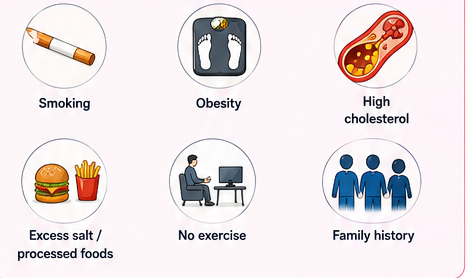
The risk additionally increases with the following:
What are the symptoms of kidney disease from diabetes and hypertension?
One of the challenges with diabetic kidney disease is that it often develops silently. A person may feel perfectly normal while kidney damage quietly progresses
As the kidney damage progresses, a person may experience the following and in advanced stages can need replacement of the kidney function with dialysis or kidney transplant

Can this kidney damage be cured or prevented?
The good news is that kidney damage can often be prevented or slowed down. With diabetes and hypertension protecting your kidneys should start early

- Managing diabetes is the most important step with diet, lifestyle measures and medications. Diabetes does not affect only the kidneys. It can also damage the eyes, heart, blood vessels, and nerves.
- Patients with diabetes should therefore undergo regular health screening for the following:
- Annual eye examination for diabetic retinopathy
- Regular heart check-ups and cardiovascular risk assessment
- Blood pressure monitoring
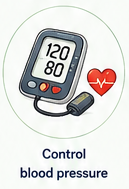
- Keeping blood pressure under control also reduces the risk of heart disease and stroke. Reducing salt intake, exercising, and taking prescribed medicines are important
- Patients should also be encouraged to actively participate in their own care: Home blood pressure monitoring is a simple but powerful tool that helps patients understand their blood pressure control and detect problems early
- Regular home monitoring can improve awareness, treatment adherence, and long-term outcomes

- Prolonged use of certain painkillers called NSAIDs, can damage the kidneys, worsen blood pressure if used frequently
- Examples include: Ibuprofen, Naproxen, Diclofenac, Aceclofenac, Etoricoxib
- Always consult your nephrologist before starting any new medicine or supplements


Even small lifestyle changes can make a big difference over time such as reducing salt intake, eating a balanced diet and avoiding processed foods, maintaining a healthy weight with a focus on weight loss if overweight or obese, avoiding smoking, limiting alcohol intake, regular and consistent exercise, and adequate water intake

Kidney disease needs monitoring over time. Regular follow-up help in early detection of worsening kidney function, referral to a nephrologist who can adjust medications when needed.
How can I be screened for kidney disease?
Regular screening is extremely important for people with diabetes and hypertension even if they feel healthy. Simple blood and urine tests can help detect kidney damage early and monitor whether it is worsening over time.

What are the treatments available for kidney disease from diabetes and hypertension?
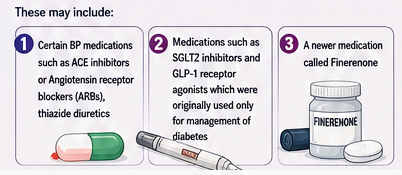
While kidney disease cannot usually be reversed, several medicines can slow its progression and protect kidney function.



Dr Ankita Dilip Patil
Consultant Nephrologist and Transplant Physician
Prakriya Hospitals, Bangalore