When someone hears the word dialysis, they often imagine a frightening machine, severe illness, and a life filled with restrictions.
Many people worry:
- “Does dialysis mean my kidneys have completely stopped working?”
- “Will the treatment be painful?”
- “Will I ever be able to travel, work, or enjoy life again?”
The truth is often much more reassuring than most people expect. Let’s address the myths and commonly asked questions.
What is hemodialysis?

- Normally, our kidneys filter out waste products from the blood, removing excess fluid and help in maintaining a balance of electrolytes.
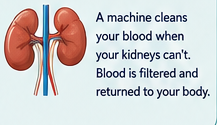
- When they fail to do their job and completely stop working without any chance of recovery, it is known as kidney failure, also called end-stage kidney disease.
Myth 1: “If I need dialysis, my kidneys have completely failed”
Not always
- Some people start dialysis when their kidney function becomes very low, but their kidneys may still have a small amount of function remaining.
- In certain situations: such as severe infections, dehydration, or acute kidney injury, dialysis may even be temporary, and kidney function can recover.
- For people with advanced chronic kidney disease, dialysis may become a long-term treatment, but this does not mean the kidneys suddenly stop working overnight.
- The decision to start dialysis is based on symptoms, laboratory tests, and overall health, not simply one number on a report.
What is dialysis actually like?
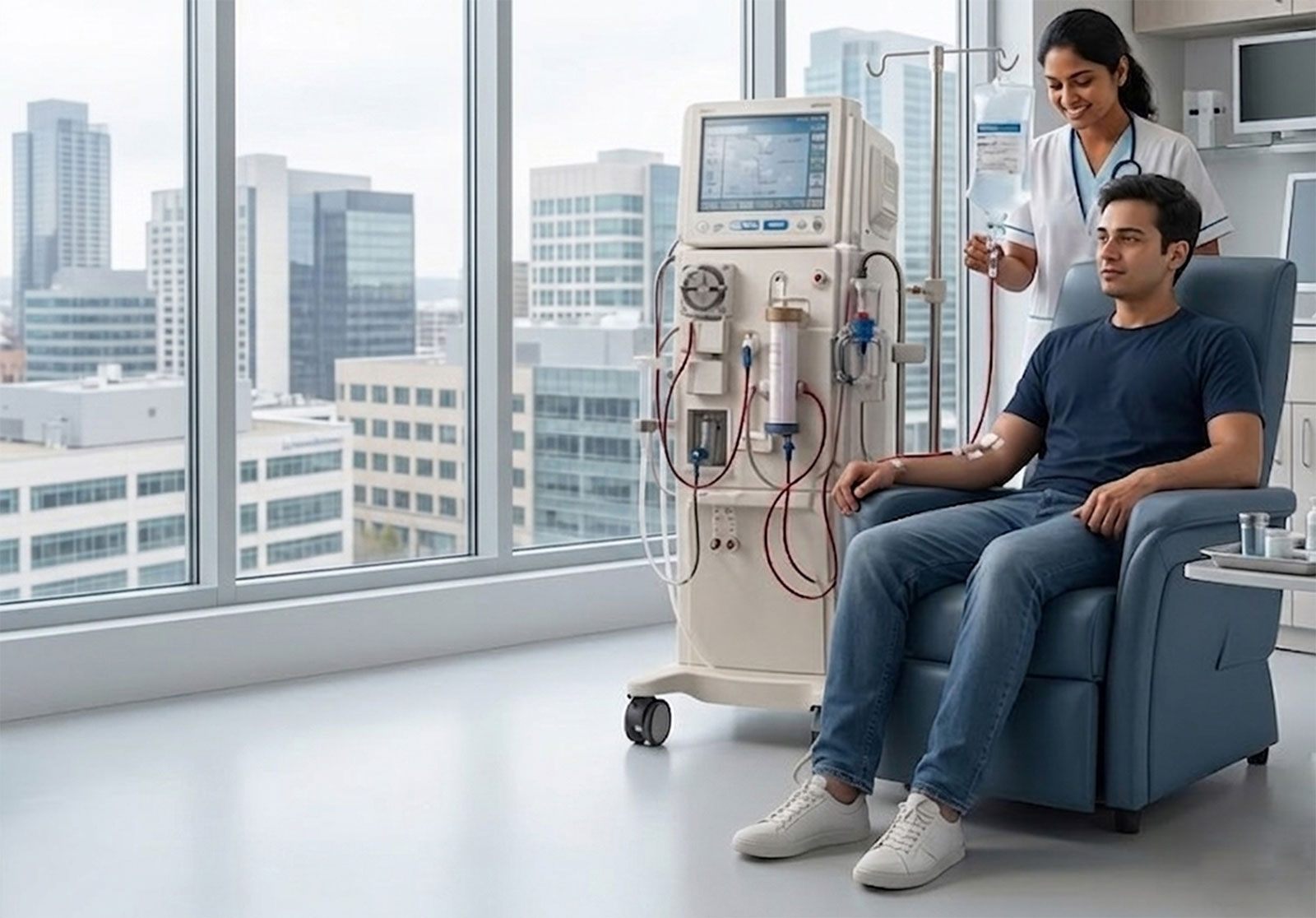
One of the biggest fears patients have is not knowing what to expect. In reality, most people find dialysis far less frightening than they imagined.During a typical hemodialysis session: A patient sits or reclines in a comfortable chair/bed while blood is circulated through a dialysis machine that cleans it before returning it to the body.

The atmosphere in most dialysis centers is calm and routine.
How long does a session last?

The exact schedule can vary depending on:
- Kidney function
- Body size
- Medical conditions such as heart disease
- Fluid intake between sessions
Your nephrologist will determine the most appropriate schedule.
Does dialysis hurt?
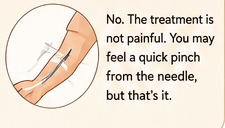
During treatment, patients generally do not feel the blood being cleaned. Some people may occasionally experience:
- Muscle cramps
- Fatigue
- Lightheadedness
- Low blood pressure
These symptoms can often be managed by the dialysis team.
How do patients feel after dialysis?
Experiences vary. Some patients feel:
- Lighter
- Less swollen
- More energetic
Because the excess fluid and waste products are being removed.
Others may feel tired for a few hours after treatment, particularly during the first few weeks.
Over time, many people learn how their body responds and plan their activities accordingly.
Myth 2: “Life Stops Once You Start Dialysis”
Absolutely not. Many dialysis patients continue to lead active, meaningful lives.
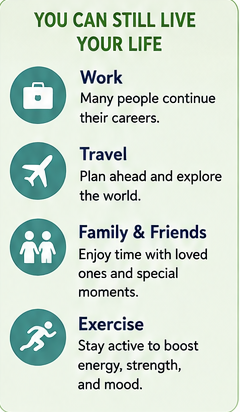
- The key is finding a dialysis schedule that fits your lifestyle. Hemodialysis centers exist across most cities.
- Your healthcare team can help arrange dialysis sessions at another center before you travel. Many dialysis patients enjoy regular holidays and family trips.

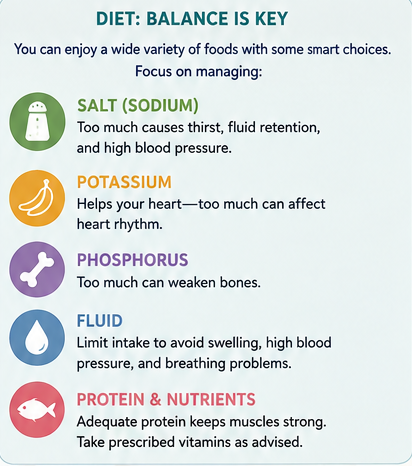
Can dialysis patients eat normally? What changes have to be made?
- People on dialysis need to watch their diet because their kidneys aren’t working as they should.
- However, this does not mean eating becomes joyless.
- A renal dietitian can help patients enjoy a wide variety of foods while staying healthy. Many patients continue to enjoy favorite meals with some adjustments.
- Normal kidneys work 24 hours, but people usually have hemodialysis at a center only 3 times a week.
- So, if a person on dialysis gets too much water, salt, or other nutrients through eating and drinking, these things can build up in the body. This can make people feel sick and cause problems.
The emotional side of dialysis: Starting dialysis can feel overwhelming

Support from family, friends, healthcare professionals, and other dialysis patients can make a tremendous difference.


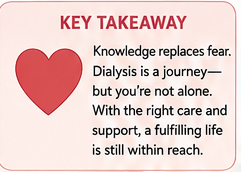
Hemodialysis is not the end of life, it is a treatment designed to help people live longer and feel better when their kidneys can no longer do enough work on their own.
Dr Ankita Dilip Patil
Consultant Nephrologist and Transplant Physician
Prakriya Hospitals, Bangalore