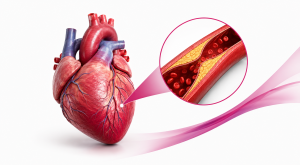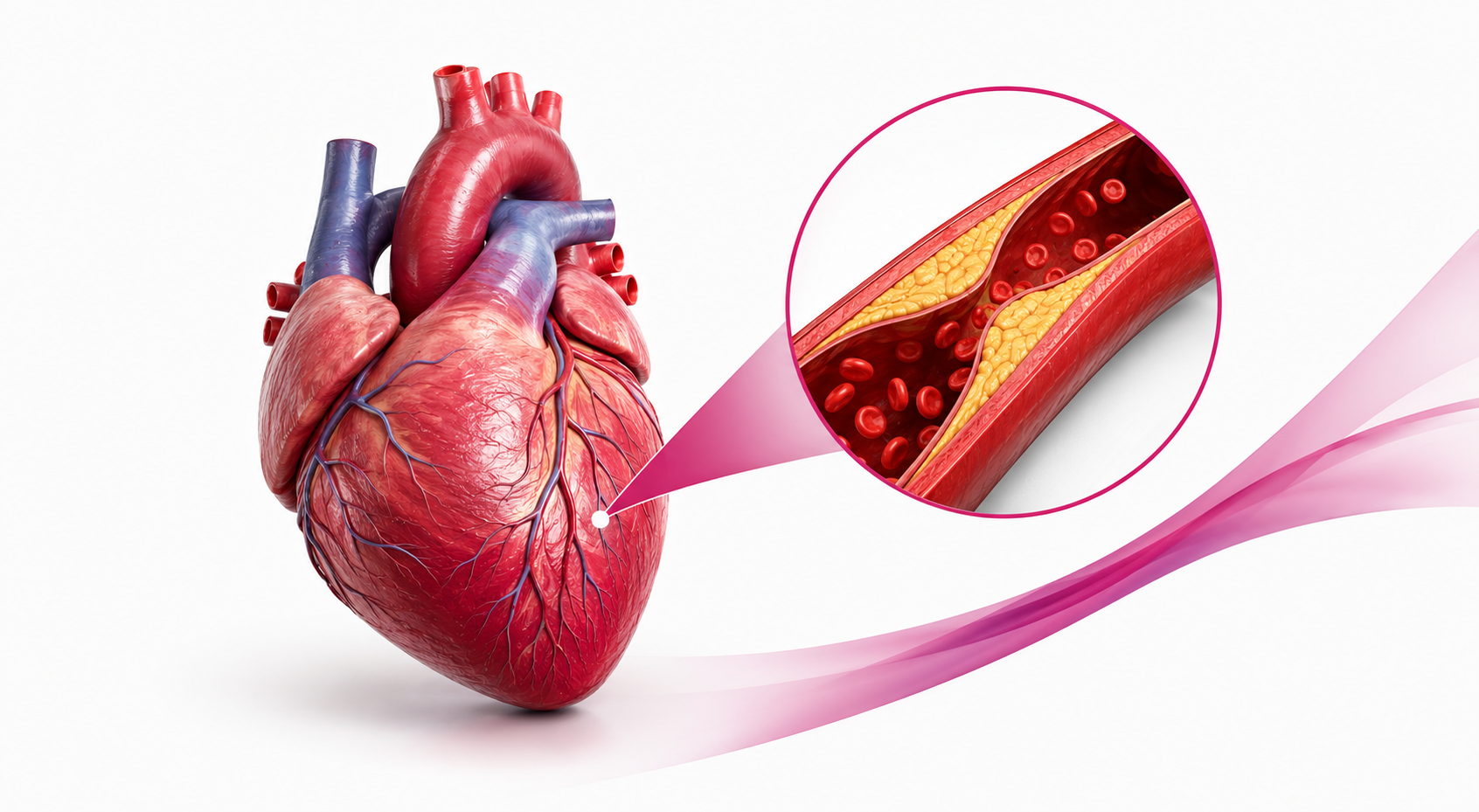
For years, stents have been the standard treatment for blocked heart arteries. They have transformed the treatment of coronary artery disease, particularly heart attacks, and remain one of the biggest advances in modern cardiology. But angioplasty is evolving. Today, in selected patients, it is sometimes possible to treat a blocked coronary artery without leaving a permanent stent behind. This approach, called stentless angioplasty, uses a special medicated balloon known as a drug-coated balloon (DCB). The balloon opens the narrowed artery and delivers an anti-restenotic medicine directly to the vessel wall. Once the treatment is completed, the balloon is removed, leaving no permanent metal implant behind.
This is often described as the “Leave Nothing Behind” strategy.
Recently, I have used drug-coated balloons in three carefully selected patients. Interestingly, one of them presented with a major heart attack, and we were able to restore blood flow without placing a stent. This prompted me to write about this newer approach and, more importantly, about which patients may actually benefit from it.
How does it work?
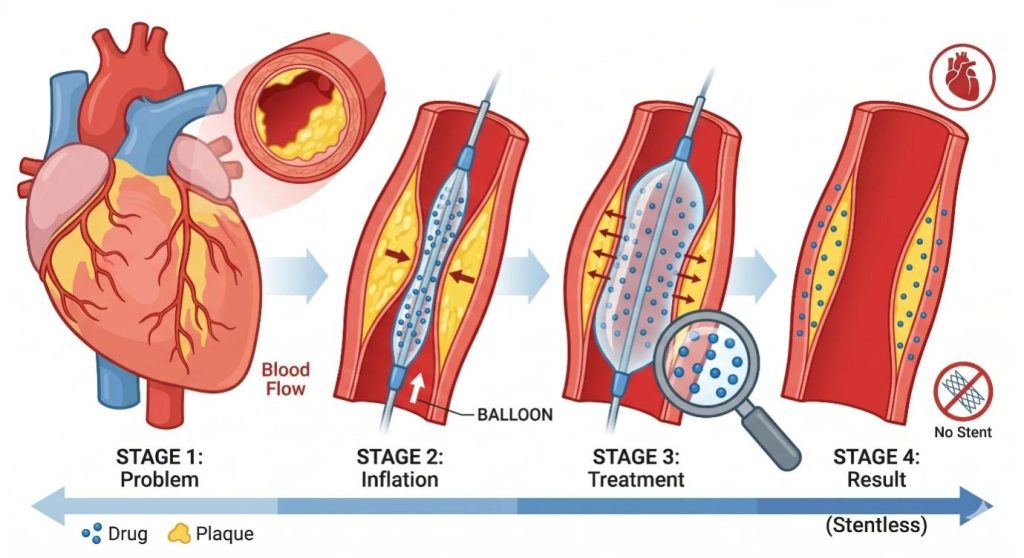
A drug-coated balloon looks similar to a conventional angioplasty balloon, but its surface is coated with a medication. The balloon is positioned across the blockage and inflated for a short period. It opens and modifies the narrowed segment while delivering the drug directly to the vessel wall. The balloon is then removed. There is no permanent metal scaffold left inside the artery. The medication helps reduce the excessive tissue growth that can cause the artery to narrow again.
In simple terms: open the artery, deliver the medicine, and leave nothing behind.
Who may benefit?
Drug-coated balloons are particularly useful in selected situations such as recurrent blockage inside a previously placed stent (in-stent restenosis), small coronary arteries, and certain bifurcation lesions. They may also be considered in selected patients where avoiding another permanent metal implant or minimizing the duration of dual antiplatelet therapy may be advantageous.
However, not every blockage is suitable for a drug-coated balloon. Before using one, the blockage needs to be properly prepared. We need to achieve good blood flow, adequate vessel expansion, and a satisfactory result without significant recoil or flow-limiting dissection. If the artery does not look satisfactory after balloon treatment, a stent should be placed. The goal is not to avoid a stent at any cost. The goal is to achieve the best possible result for the patient.
What about a patient having a heart attack?
This is perhaps the most interesting aspect of this evolving technology. When someone presents with a major heart attack caused by a blocked coronary artery, restoring blood flow quickly is the priority. In many patients, this will require a stent, and stenting remains the standard treatment in many acute situations. However, in carefully selected patients, a drug-coated balloon may also be considered if the artery can be adequately prepared and a satisfactory result is achieved.
One of my recent patients who presented with a major heart attack was successfully treated this way, without leaving a stent behind. This does not mean that every heart attack can be treated without a stent. The decision depends on the coronary anatomy, the amount of thrombus, plaque characteristics, and, importantly, how the artery responds during the procedure.
Why is this becoming popular?
A stent is a permanent metallic implant. Although modern stents are extremely safe and effective, avoiding an additional permanent implant may have potential advantages in selected patients.
These include avoiding multiple layers of stent, particularly in recurrent in-stent restenosis, preserving the natural anatomy of the vessel, and potentially making future treatment easier.
In appropriately selected patients, a DCB-only strategy may also allow a shorter duration of dual antiplatelet therapy. However, this is individualized and does not mean that blood-thinning medication can simply be stopped.
A final word
If you are told that you have a significant heart blockage, don’t simply ask, “Can I avoid a stent?” Instead, ask, “What is the most appropriate treatment for my blockage?” Sometimes the answer will be a stent. Sometimes it may be a drug-coated balloon. In other situations, medicines or another intervention may be more appropriate.
Drug-coated balloons are an exciting addition to modern angioplasty, but they are not suitable for everyone. The goal is not to use more devices or fewer devices. It is to choose the right treatment for the right patient at the right time.
And sometimes, the best stent is the one we don’t need to put in.
Dr Manju Bhargav B R
Consultant Cardiologist
MBBS, MD (Gold Medalist), DNB, DM, DrNB