Most people think of the mouth and the rest of the body as separate systems—one for the dentist, one for the doctor. In reality, they are closely connected, and your oral health can offer early signals about what’s happening elsewhere in your body
The mouth isn’t isolated from the rest of the body. It has its own blood supply, its own bacteria, and a direct pathway into the bloodstream—which means that inflammation or infection that starts in the gums doesn’t always stay there. Research over the past two decades has uncovered several meaningful links between oral health and overall health.
What the Research Shows
Gum Disease & Heart Health
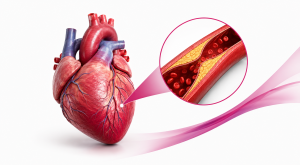
Chronic gum inflammation has been associated with a higher risk of cardiovascular problems. The leading explanation is that ongoing inflammation and bacteria from infected gums may contribute to inflammation elsewhere in the body, including the blood vessels.
Diabetes: A Two-Way Relationship
Gum disease and diabetes influence each other. Uncontrolled blood sugar makes gum infections more likely and harder to heal, while severe gum disease can make blood sugar more difficult to control—which is why dentists often ask about a patient’s diabetes management.
Pregnancy & Gum Health
Hormonal changes during pregnancy can make gums more sensitive to plaque, and studies have linked more advanced gum disease with a higher risk of preterm birth and low birth weight. This is one of the reasons dental checkups are recommended during pregnancy.
Respiratory Health
Bacteria from the mouth can occasionally be inhaled into the lungs, which is particularly relevant for elderly patients or those with weakened immune systems, where it may contribute to respiratory infections.
Bone Health
Since the jaw is bone tissue, conditions that affect bone density elsewhere in the body can also affect the jawbone—sometimes showing up first as loosening teeth or bone loss noticed during a dental X-ray.
Why This Matters for You
None of this means a dental visit replaces a medical one, or vice versa—but it does mean the two are worth thinking about together. Persistent gum bleeding, chronic bad breath, or loose teeth are not just cosmetic concerns; they can be signs of inflammation that may be connected to what’s happening in the rest of the body.
This is also why a thorough dental checkup often includes questions about your general health history—it genuinely helps us understand what we’re seeing in your mouth.
Simple Habits That Support Both
- Brush twice daily and floss once—this is still the single most effective way to control the bacteria linked to gum disease
- Don’t ignore bleeding gums—they’re common, but not something to treat as normal
- Keep regular dental checkups, especially if you have diabetes, heart disease, or are pregnant
- Mention any major health conditions to your dentist, even if they seem unrelated to your teeth
This article is intended for general patient education and does not replace personalized medical or dental advice. If you have concerns about your oral or overall health, please consult your dentist or physician.