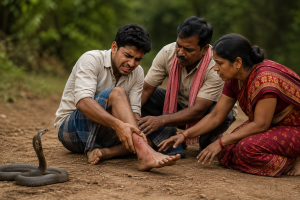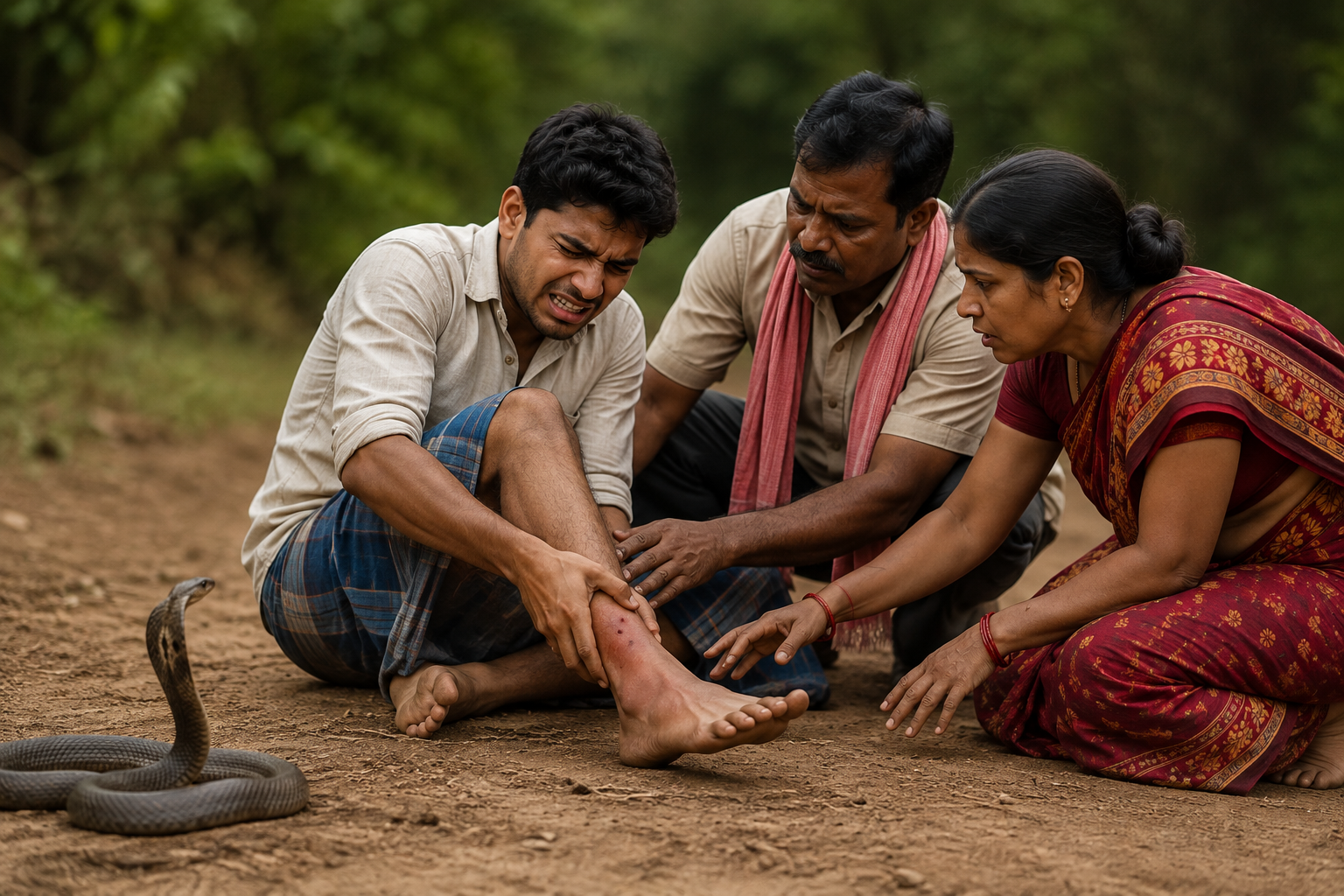
Every year, thousands of people lose their lives or suffer permanent disability due to snake bites. Ironically, many of these complications are not caused by the venom alone but by dangerous first aid practices based on myths and misinformation.
Knowing what to do and what not to do can save a life.
Myth 1: “Tie a Tight Tourniquet Above the Bite”
Myth: A tight tourniquet will stop the venom from spreading
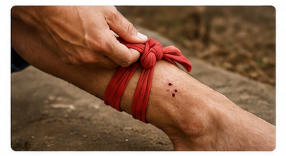
Reality: A tight tourniquet can cut off blood supply, leading to tissue damage, nerve injury, and even limb loss. It does not safely prevent venom from spreading.
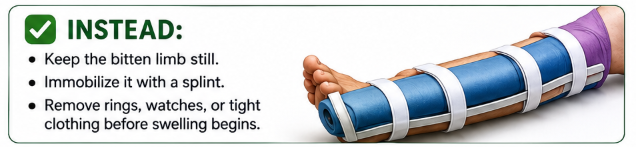
What to Do Instead:
Myth 2: “Cut the Wound and Suck Out the Venom”
Myth: Cutting the bite and sucking out the venom helps remove it.
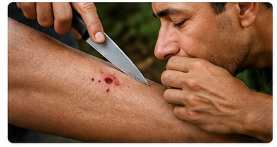
Reality: This practice increases the risk of bleeding and infection while removing little to no venom.
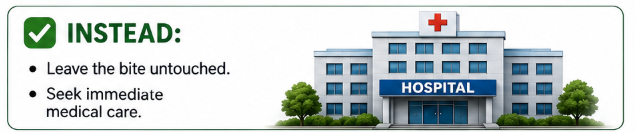
What to Do Instead:
Myth 3: “Apply Ice, Herbs, Mud, or Chemicals”
Myth: Home remedies can neutralize snake venom.
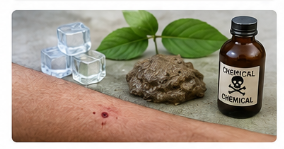
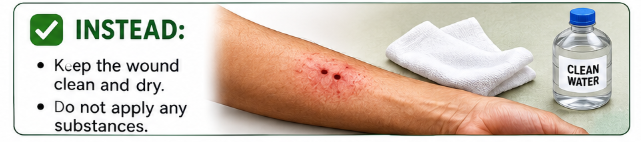
Reality: Ice, herbs, mud, and chemicals do not neutralize venom. They may worsen tissue damage and increase the risk of infection
What to Do Instead:
Myth 4: “Catch or Kill the Snake”
Myth: Bringing the snake to the hospital helps identify it
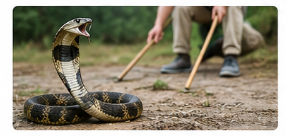
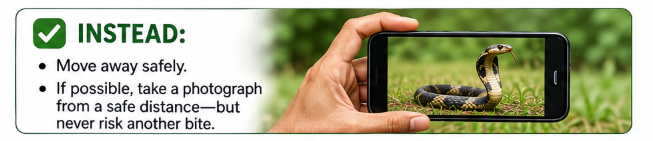
Reality: Many people suffer a second bite while trying to capture or kill the snake.
What to Do Instead:
Myth 5: “If There’s Little Pain, It Isn’t Serious”
Myth: A painless bite means the snake wasn’t venomous.
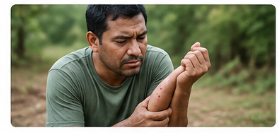
Reality: Some venomous snakes cause very little pain initially, but severe complications—including paralysis, internal bleeding, and kidney failure—may develop hours later.
What to Do Instead:

What You Should Do After a Snake Bite
- Stay calm and reassure the victim.
- Move away from the snake.
- Keep the bitten limb still and, if practical, below heart level.
- Remove rings, bangles, watches, or tight clothing before swelling develops.
- Transport the patient to the nearest hospital without delay.
- Note the time of the bite and any symptoms that develop.
Go to the Hospital Immediately If You Notice
- Rapidly spreading swelling
- Difficulty breathing or swallowing
- Drooping eyelids or blurred vision
- Bleeding from the gums or nose
- Severe pain or extensive swelling
- Vomiting, dizziness, or fainting
Remember
The only specific treatment for venomous snake bites is antivenom, administered in a hospital by trained healthcare professionals.
Early medical care significantly improves outcomes and reduces the risk of serious complications
Take-Home Message
Don’t let myths become more dangerous than the snake itself.
The best first aid for a snake bite is to:
- Keep the person calm.
- Immobilize the affected limb.
- Reach the nearest hospital as quickly as possible.
Your actions during the first few minutes after a snake bite can make the difference between a full recovery and a life-threatening emergency.
Dr. Hima Bindu Pallanti
MD, MEM, MRCEM
Consultant – Consultant Emergency Department