When dealing with joint pain or a stubborn sports injury, the journey to recovery can sometimes feel like a waiting game. But what if your body already holds the exact tools needed to accelerate that healing process?
Enter Platelet-Rich Plasma (PRP) therapy—a groundbreaking, non-surgical treatment that harnesses your body’s natural healing abilities to repair orthopaedic injuries. If your doctor has mentioned PRP, or if you are simply looking for alternatives to surgery or long-term medication, here is everything you need to know about how this treatment works and who can benefit from it.
What is Platelet-Rich Plasma (PRP)?
Blood is primarily made of a liquid called plasma, but it also contains microscopic solid components: red cells, white cells, and platelets. While platelets are best known for their role in clotting blood when you get a cut, they are also packed with proteins called growth factors. These growth factors are essential for healing injuries.
PRP is simply a concentration of your own platelets.
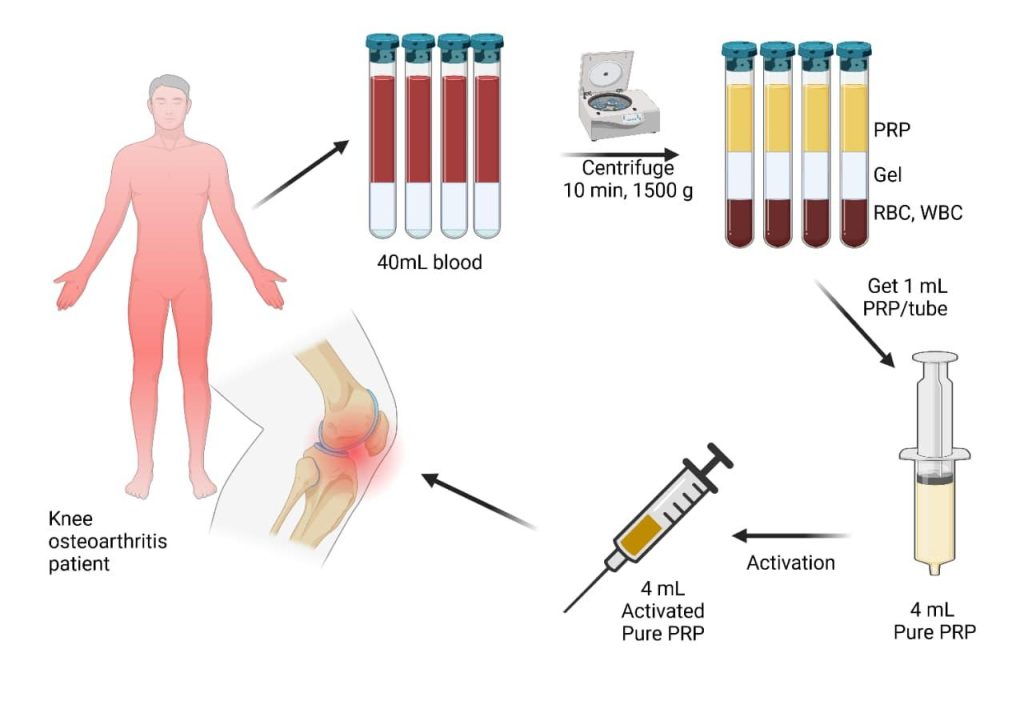
To create it, a small sample of your blood is drawn and spun at high speeds in a machine called a centrifuge. This separates the platelets from the other blood cells, creating a plasma that has 5 to 10 times more platelets – and therefore more growth factors – than typical blood.
How Does it Work?
When you experience an orthopaedic injury like a torn tendon or worn-down cartilage, your body naturally responds by delivering platelet cells to the injured area to start the repair process. PRP therapy supercharges this natural response.
Here is the step-by-step process of how it works in the clinic:
- The Draw: A small amount of your blood is drawn, similar to a routine blood test.
- The Spin: The blood is placed in a centrifuge to isolate and concentrate the platelets.
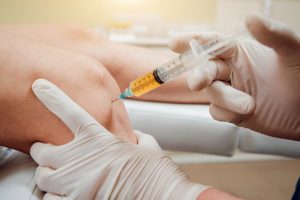
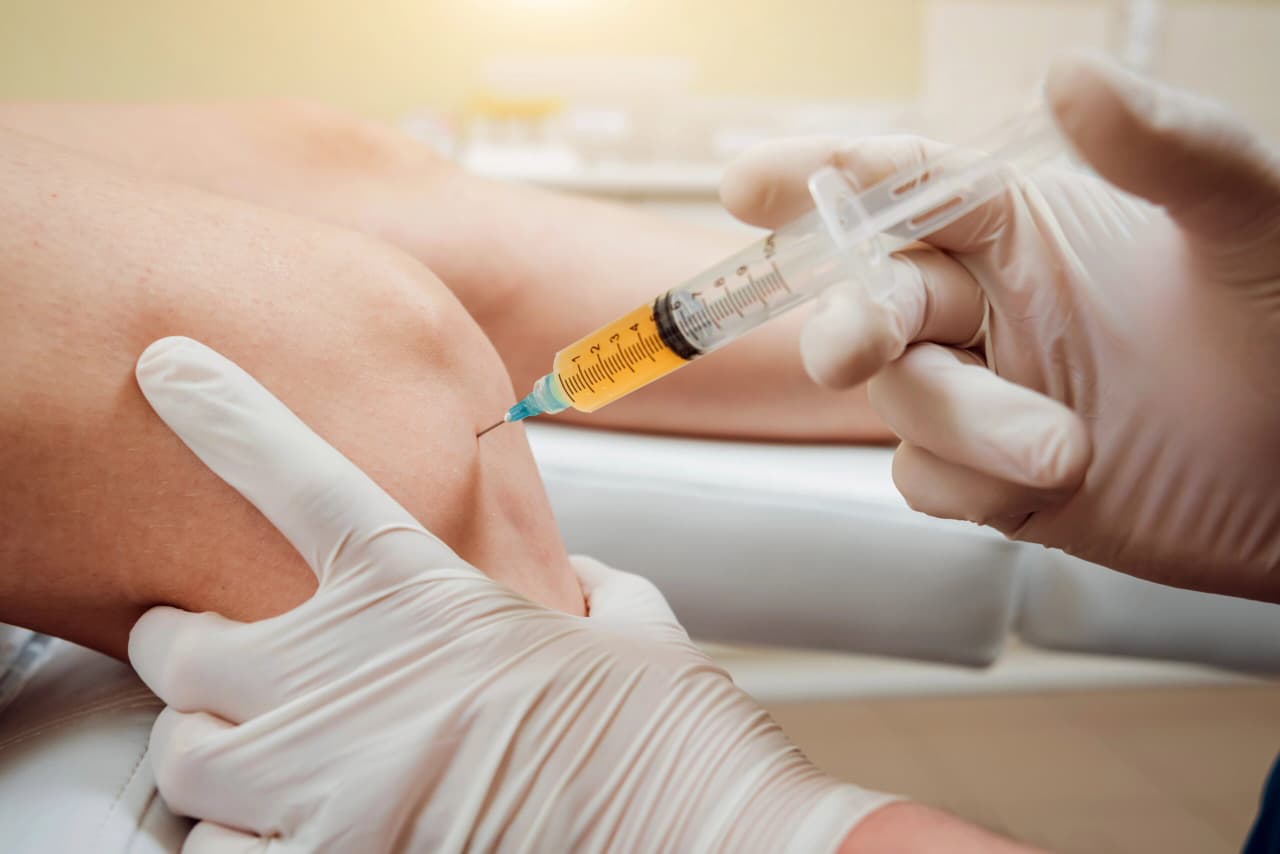
- The Injection: The highly concentrated platelet-rich plasma is injected directly into the injured joint, ligament, or tendon. (Doctors often use ultrasound guidance to ensure the injection targets the exact site of the tissue damage).
Once injected, these concentrated growth factors jump-start the healing cascade, reducing inflammation and stimulating the repair and regeneration of damaged tissues.
Orthopaedic Applications: Where PRP Shines
PRP is strictly used in orthopaedics to treat musculoskeletal conditions. It is particularly effective for tissues that typically have a poor blood supply and are notoriously slow to heal.
Key applications include:
- Tendon Injuries: Chronic tendon problems are one of the most common reasons for PRP therapy. This includes conditions like Tennis Elbow (lateral epicondylitis), Achilles tendonitis, and Jumper’s Knee (patellar tendonitis).
- Osteoarthritis: PRP is increasingly used to manage early-to-mild osteoarthritis, particularly in the knees. By reducing inflammation and promoting a healthier joint environment, it can significantly decrease pain and improve stiffness.
- Ligament and Muscle Sprains: Athletes frequently turn to PRP for acute sports injuries, such as pulled hamstrings or mild knee ligament sprains, to safely accelerate their return to play.
- Plantar Fasciitis: For patients suffering from chronic heel pain that hasn’t responded to stretching or custom orthotics, PRP can help heal the inflamed plantar fascia tissue.
Who Needs PRP?
PRP is not a magic cure-all, and it isn’t the first line of defence for every injury. However, you might be an ideal candidate for PRP if you match any of the following profiles:
- The Conservative Care Patient: You have already tried rest, physical therapy, bracing, and anti-inflammatory medications, but you are still experiencing significant pain.
- The Surgery Delayer: You are hoping to delay or entirely avoid invasive surgical interventions, such as a joint replacement.
- The Active Individual: You are an athlete or an active adult looking to speed up your recovery timeline from an acute muscle or ligament injury without relying on steroid injections (which can sometimes weaken tissue over time).
- The Steroid-Sensitive Patient: You cannot have, or wish to avoid, cortisone/steroid injections due to side effects or diminishing returns.
Note: Because PRP uses your own blood, the risk of an allergic reaction or rejection is virtually zero, making it an exceptionally safe procedure.
Taking the Next Step
Healing takes time, and while PRP acts as a biological catalyst, results are not overnight. Most patients begin to notice a significant reduction in pain and an increase in mobility within 4 to 6 weeks following the injection, with healing continuing to progress for several months.
If chronic joint pain or a nagging tendon injury is keeping you from doing what you love, PRP might be the natural boost your body needs. Contact our orthopaedic department today to schedule a consultation and find out if Platelet-Rich Plasma therapy is the right next step for your recovery.
Dr. Akshay T M
MBBS MS Orthopaedics, FIASIVI
Consultant – Arthroscopy and Orthopedics surgeon