1. Heart Attack
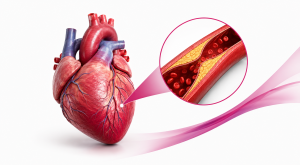
Warning signs:
- Heavy chest pain or pressure
- Pain spreading to the arm, jaw, or back
- Sweating, nausea, or difficulty breathing
What to do:
Don’t drive yourself if symptoms are severe. Call emergency medical services or get immediate medical help.
Remember:
Not every heart attack starts with severe chest pain. Women, older adults, and people with diabetes may have unusual symptoms like breathlessness, fatigue, or nausea.
2.Stroke
Watch for FAST:
F – Face drooping
A – Arm weakness
S – Speech difficulty
T – Time to get emergency help
A stroke is treatable, but only if treatment starts quickly.
3. Difficulty Breathing
If someone is struggling to breathe, unable to speak full sentences, or their lips are turning blue, don’t wait.
This could be asthma, a severe infection, an allergic reaction, or a heart problem.
4. The Worst Headache of Your Life
A sudden, explosive headache unlike anything you’ve ever felt is not a normal migraine.
Especially if it’s associated with vomiting, neck stiffness, fainting, or confusion- go to the ER immediately.
5. Serious Road Accident
Even if you feel okay after a major crash, internal injuries may not be obvious.
Always get checked if there was a high-speed collision, significant bleeding, or loss of consciousness.
6. Severe Allergic Reaction
Warning signs:
- Swollen lips or tongue
- Difficulty breathing
- Widespread rash
- Feeling faint
This can become life-threatening within minutes.
7. Poisoning
Children and adults can accidentally swallow medicines, chemicals, or pesticides.
Don’t try home remedies unless instructed by a healthcare professional. Seek emergency care immediately.
8. High Fever with Confusion
A fever alone is often not an emergency, but a fever with confusion, difficulty waking up, seizures, or trouble breathing needs urgent medical attention.
9. Uncontrolled Bleeding
If bleeding doesn’t stop after applying firm pressure for several minutes, or blood is spurting, seek emergency care immediately.
10. Someone Collapses or Becomes Unconscious
If a person doesn’t respond, isn’t breathing normally, or suddenly collapses – Call emergency services.
Begin CPR if you’re trained or guided by emergency dispatch. Every minute counts.
Final Message
The Emergency Room is for emergencies – not because you’re scared, but because delaying treatment can cost lives. Knowing these warning signs could help you save your own life or someone else’s.
Dr. Anjum Akbar Mujawar
MBBS, MEM, FEM, PEM, CCEBDM
Consultant – Emergency Medicine