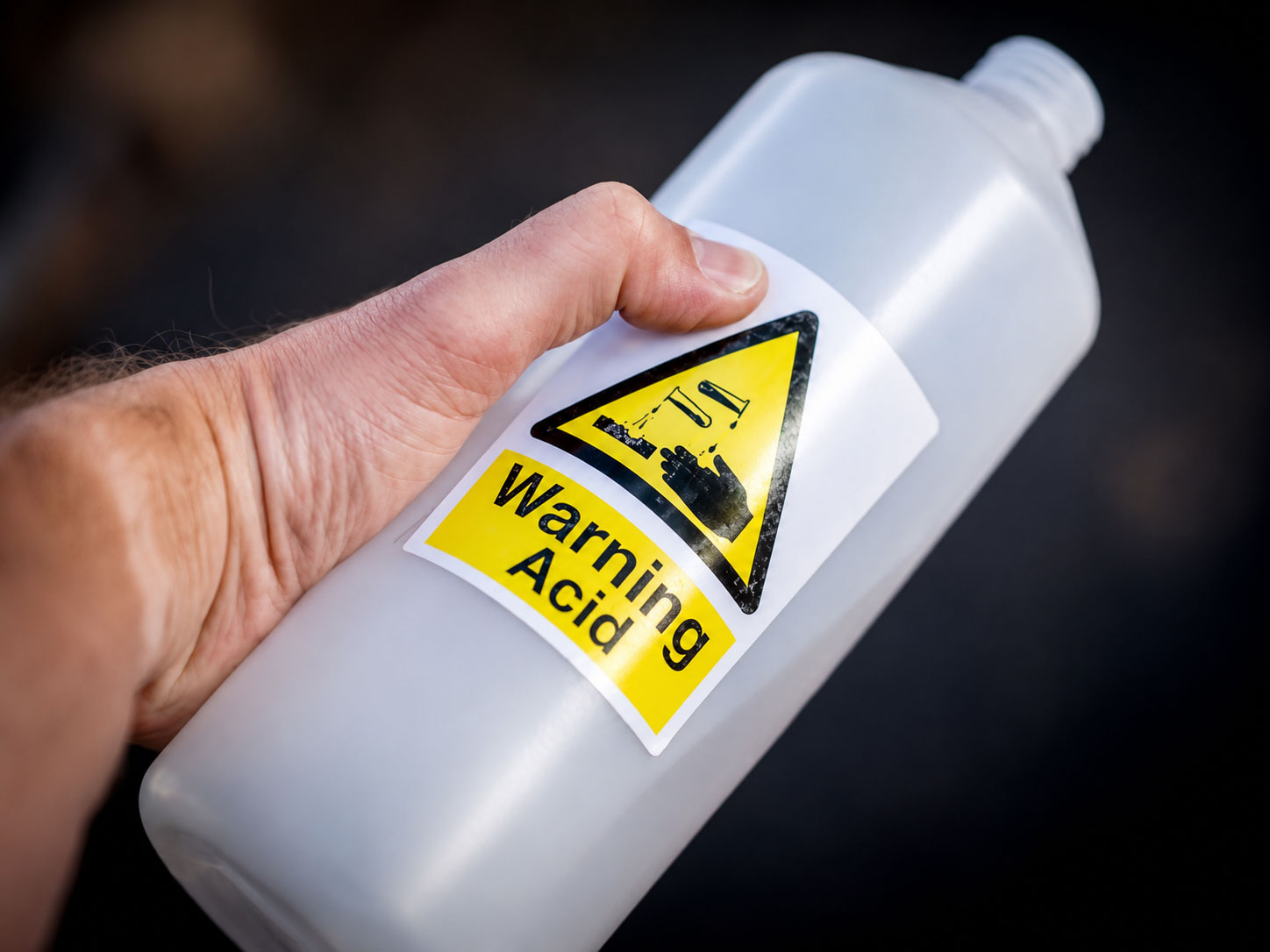
At around 2 AM, a 45-year-old male was brought to the Emergency Department following accidental acid ingestion. What initially appeared to be a toxic ingestion rapidly evolved into a life-threatening airway emergency.
The patient presented with:
Severe throat pain
Chest pain
Recurrent vomiting
Shortness of breath
Within a short span of time in the ER, he developed worsening respiratory distress with audible stridor — a red flag indicating impending upper airway obstruction.
In corrosive ingestion cases, airway compromise can progress dramatically due to laryngeal and supraglottic edema. Recognizing this early is often the difference between stabilization and catastrophe.
The patient was immediately intubated in the Emergency Room to secure the airway before complete obstruction could occur. He was then shifted to the ICU for further management and close monitoring.
Endoscopic Findings
Urgent upper GI endoscopy revealed:
Significant edema around the arytenoid folds
Laryngeal edema
Linear and confluent erosions at the gastroesophageal junction
Erosive esophagitis (LA Grade C)
Fortunately, the stomach and duodenum appeared normal.
The findings highlighted the severity of upper airway and esophageal injury caused by corrosive exposure.
Key Learning Points
1. Airway comes first
In corrosive ingestion, respiratory distress and stridor demand immediate airway assessment. Delayed intubation can become extremely difficult once edema progresses.
2. Symptoms can worsen rapidly
Patients may initially appear stable but can deteriorate within minutes due to evolving airway edema.
3. Early endoscopy matters
Timely upper GI endoscopy helps assess the extent of injury, guides nutrition planning, and predicts complications such as strictures.
4. Multidisciplinary care is essential
Emergency physicians, intensivists, gastroenterologists, anesthetists, and nursing teams all play a critical role in management.
Final Thought
This case was a reminder that emergency medicine is often about anticipating deterioration before it fully declares itself. In corrosive ingestion, securing the airway early can be lifesaving.
Sometimes, the most important decision in the middle of the night is made within minutes — and those minutes matter.
Dr. Monika Safaya
MBBS, MEM, MRCEM
Consultant – Emergency Medicine