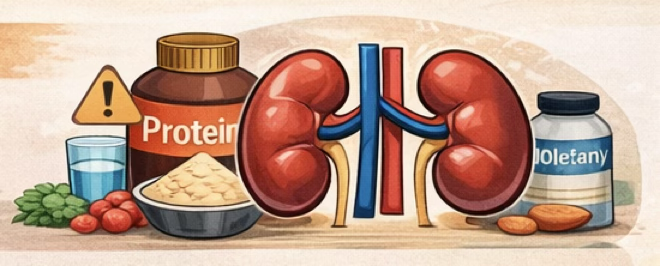
Protein shakes. Creatine. Collagen powders.They’ve become a daily ritual for many gym-goers.Walk into any gym today, and you’ll hear it: “More protein = more muscle.”
But while protein is essential for your body, more isn’t always better, especially when it comes to your kidneys.And here’s the truth most people miss: Your body loves balance and not overload.
Let’s break it down in simple terms.
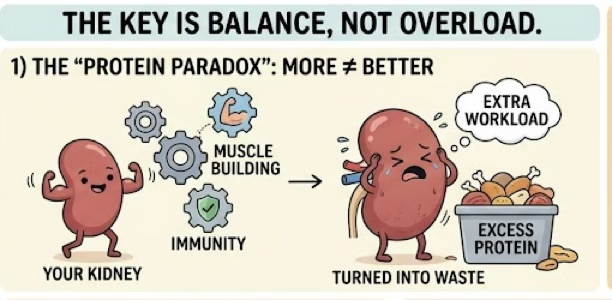
Protein is essential. It helps build muscle, repair tissues,and support immunity. But here’s the catch. Your body has a limit to how much protein it can actually use.
Beyond that? It turns into waste, and your kidneys have to clean it up.
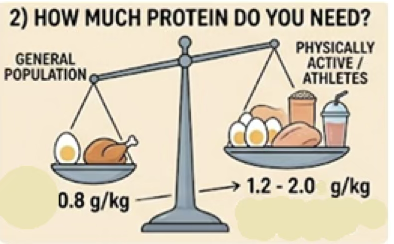
For a healthy adult, the general recommendation is 0.8 grams of protein per kg of body weight per day. So, if you weigh around 80 kg, you need about 64 grams of protein daily.This is the minimum amount needed for muscle maintenance, immunity,and overall health.
But your needs may increase if you are:
🏋 Physically active, an athlete or into bodybuilding: 1.2-2 gm/kg/day
👵 Older in age
🩺 Recovering from illness or surgery
But sometimes many gym enthusiasts consume >2–3 gm/kg/day. This doesn’t mean extra muscle, it means more waste production and more workload on the kidneys.
3)🥤 Are protein supplements necessary?
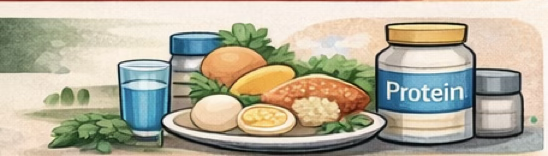
Not always.If you eat a balanced diet with eggs, dairy, pulses (dal, beans), nuts and seeds,and lean meats…you’re likely already meeting your protein needs.
- ⚠What happens when you take too much protein?
Our body uses what it needs. The rest?It becomes waste, and hence, our kidneys have to work harder to remove it.If you consistently overload on protein, excess protein may lead to:
💧 Dehydration (more waste = more water needed)
🚽 Digestive issues (bloating, acidity, reflux, constipation or diarrhea)
😮💨 Bad breath (from certain high-protein diets)
⚖Weight gain (extra calories get stored as fat)
🧠 Fatigue, nausea (in vulnerable people)
🧪 High uric acid → risk of kidney stones & gout
- What are the🚨signs to look out for if you might be taking TOO MUCH protein?
Not everyone shows symptoms, but watch out for:
- Constant thirst or dehydration
- Digestive discomfort
- Bad breath
- Feeling unusually tired
- Nausea or poor appetite (especially if kidney issues exist)
- What are the signs to look out for if you might be taking TOO LITTLE protein?
Too little protein over time can lead to:
💪 Muscle loss or weakness
😴 Low energy
🩹 Slow wound healing
💇 Hair thinning or brittle nails
🤧 Frequent infections
🦵leg swelling (in severe cases)
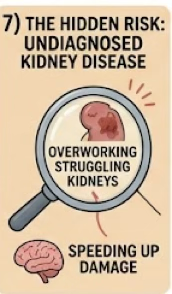
Here’s the tricky part: Many people may have early-stage kidney problems without knowing it.This condition is called chronic kidney disease.
In such cases, high protein intake can:
- Overwork already struggling kidneys
- Speed up kidney damage
- Causes toxin buildup in the body
- Lead to confusion, fatigue, loss of appetite
8) Are creatine supplements: Safe? …Yes, but only if used right
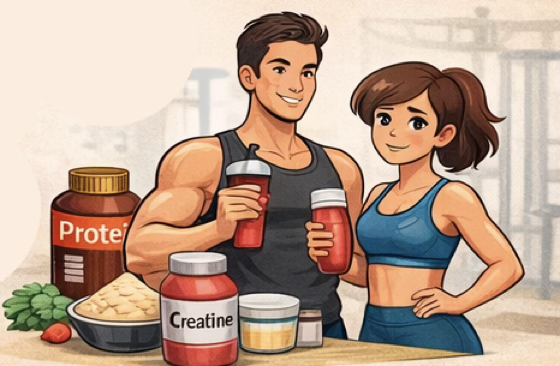
Creatine is one of the most studied supplements and is generally safe in proper doses.
But misuse changes the story.
⚠️ Risks of Improper Creatine Use:
- Increased water demand (can cause dehydration)
- Muscle cramps
- Gastric discomfort
- Electrolyte imbalances
9)🧴 Collagen Supplements: Harmless or Hype?
Collagen powders are marketed for glowing skin and joint health. But these are not always necessary if diet is balanced. There could be issues from poor regulation and quality, some may contain excess calcium, additives or preservatives and even heavy metal contamination. Hence, these are not essential for most healthy adults.
Any supplement: 1-2 scoops = fine. Three or more scoops or > three supplements + intense workouts + low water? That’s where trouble begins.
🔥 Combined Effects: High protein generates more waste, creatine can shift fluid balances and increase water demand, combined with intense workouts can cause dehydration which can lead to muscle breakdown and reduced clearance of toxins. Together, they can overwhelm your kidneys.
10) 🚨 Serious Risk: Rhabdomyolysis
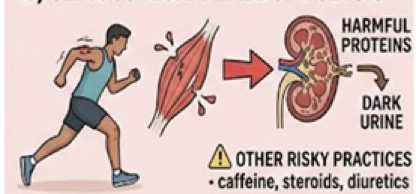
In extreme cases (overtraining + dehydration): Muscle breakdown can occur, releasing harmful proteins into the blood. This condition is called Rhabdomyolysis.
It can damage kidney filters, lead to acute kidney injury and cause dark, cola-colored urine
🚨 Warning Signs You Should NOT Ignore
Your body gives signals before serious damage:
- Persistent fatigue
- Swelling (face, legs)
- Dark or reduced urine
- High blood pressure
- Severe muscle soreness
- Nausea or poor appetite
Ignoring these early signs and symptoms can turn reversible stress into a serious disease.
⚠️ Other Risky Gym Practices
Some habits can quietly harm the kidneys:
☕ Excess caffeine + creatine → raises heart rate & BP
💉 Steroid misuse → direct kidney damage
🍺 Alcohol + cough syrup abuse → toxic combination (used to relax minds)
💊 Diuretics (“water pills”, used to counter the puffiness) → dehydration & kidney stress

Your kidneys depend on water to function properly. Low water intake can concentrate toxins, increase kidney stone risk and reduce the efficiency of filtration. Aim for consistent hydration especially if exercising or using supplements.
- 🩺 Protein intake &kidney disease: What changes?
If you have early kidney disease (not on dialysis):
Less protein is usually better
- Helps reduce kidney workload
- Slows disease progression
- Plant-based proteins are often preferred
If you are on dialysis: You actually need MORE protein
- Compensates for protein loss during treatment
- Dialysis removes protein waste
- Extra protein helps maintain strength and nutrition
- Too little protein on dialysis: muscle loss, weakness, poor immunity, slow healing. The goal is balance, not extreme
13) 🧾 The Bottom Line: Protein is essential, but more is not always better
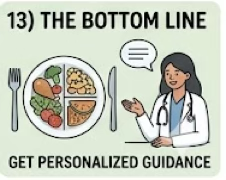
Most people can meet their needs through food. Supplements should be purpose-driven, not trend-driven. Hidden kidney disease makes excess protein risky. Personalized guidance is key.
Your kidneys quietly filter everything you eat and drink every single day. Before jumping on the “high-protein” trend, ask yourself: “Do I really need this much?” Because when it comes to protein and kidney health…balance matters more than hype.
- How to Make Sure You’re Getting It Right: Simple ways to track your protein intake:
📱 Apps like, e.g.,MyFitnessPal
📓 Keeping a food diary
🏷Reading nutrition labels
🍽Learning portion sizes
Best option: Consult a dietitian who can tailor protein intake to your body and health condition. Use protein supplements safely. If you’re already taking supplements: Always inform your doctor and check labels for hidden minerals like phosphorus, potassium, and sodium. These can be harmful, especially for kidney health.
Get screened at least annually to keep a track of your kidney health: Blood pressure checks, urine and blood tests.
Dr Ankita Dilip Patil
Consultant Nephrologist and Transplant Physician
Prakriya Hospitals, Bangalore