Why Our “Grey Years” Require a New Blueprint
An International Women’s Day Special for the Women Who Have Given Everything.
Happy International Women’s Day! Today, as we celebrate the resilience and achievements of women globally, it is also a moment for us to look inward and forward.
I’ve spent much of my career as a doctor focused on the unique journey of the female body. Today, I want to talk to my sisters in their late 40s and early 50s. For decades, we have been the emotional anchors of our families – the daughters, the wives, the mothers. But as we enter our late 40s and early 50s, we are entering a phase I like to call “The Biological Turbulence.” It is a period where our bodies undergo a seismic shift, and if we don’t prepare now, the very longevity we’ve been gifted could become a burden rather than a blessing.
This blog is written from the heart, woman-to-woman. It’s designed to be shared to your friends as an empowering call to action for every Indian woman standing at the threshold of her 50s.
The Reality of the “Grey Years” in India
In India, the narrative of aging is changing rapidly. We are living longer than ever, but the question remains: are we living better?
The Longevity Gap
Historically, the surge in female life expectancy in India has been nothing short of a miracle.
- 1951: A woman’s life expectancy at birth was just 36.1 years (even lower than men at 37.1).
- Today (2026): We have soared. Current estimates place Indian women’s life expectancy at approximately 73.6 years, while men trail at 70.5 years.
- The Future: Projections for the next 3–5 decades suggest that by 2050, the average Indian woman may easily cross the 80 / 90-year mark.
The Hard Truth
While this is a triumph of medicine and nutrition, it carries a heavy silent truth: Women in India typically survive their husbands by 5 to 10 years, and often 2 to 3 decades if they married older men. In a world of nuclear families and children moving abroad, these decades could be defined by isolation – unless we build our fortress now—physically, mentally, and socially.
The Biological Turbulence: More than Just “Hot Flashes”
As we approach our late 40s, our body’s “internal pharmacy” (our ovaries) begin to shut down. The drop in estrogen isn’t just about the end of periods; it is the loss of a biological shield.
The Crumbling Foundation
Until now, estrogen protected your heart and bones. As it exits:
- Bone & Muscle Decay: Women have naturally lower bone density and muscle mass than men. Post-menopause, bone loss accelerates drastically, leading to osteoporosis. Sarcopenia (muscle wasting) sets in, making us prone to falls and fractures that can be life-threatening in later years.
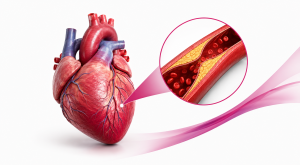
- The Heart Guard is Down: Suddenly, our risk for cardiovascular disease catches up to – and sometimes exceeds – that of men. Hypertension and “bad” cholesterol levels often spike during this transition.
Navigating the Shift: Hormone Replacement Therapy (HRT)
For many of us, the turbulence is so severe it affects our quality of life. This is where Hormone Replacement Therapy (HRT) – now more commonly called Menopausal Hormone Therapy (MHT) comes in.
Crucial Note: HRT is a medical treatment. It should only be started after a thorough consultation with a specialist. It is not a “one-size-fits-all” solution.
The Essentials of HRT:
- Who & When: Ideally for women under 60 or within 10 years of their last period who are experiencing moderate to severe symptoms (hot flashes, night sweats, severe mood shifts).
- What: It usually involves taking Estrogen (to replace what’s lost) and Progesterone (to protect the uterus lining). It can be taken as pills, patches, or gels.
- How Long: Treatment is individualized. Many women use it for 3–5 years to bridge the most difficult phase of the transition.
- Risks & Monitoring: While modern HRT is safe for most, there is a small increased risk of blood clots or breast cancer with long-term combined use. Strict monitoring is crucial – you must have annual pelvic exams, mammograms, and blood pressure checks while on therapy.
Your Action Plan: Transitioning with Power
We cannot stop time, but we can certainly change how we move through it. Here is how we, as women, must take charge:
1. Physical Fortification
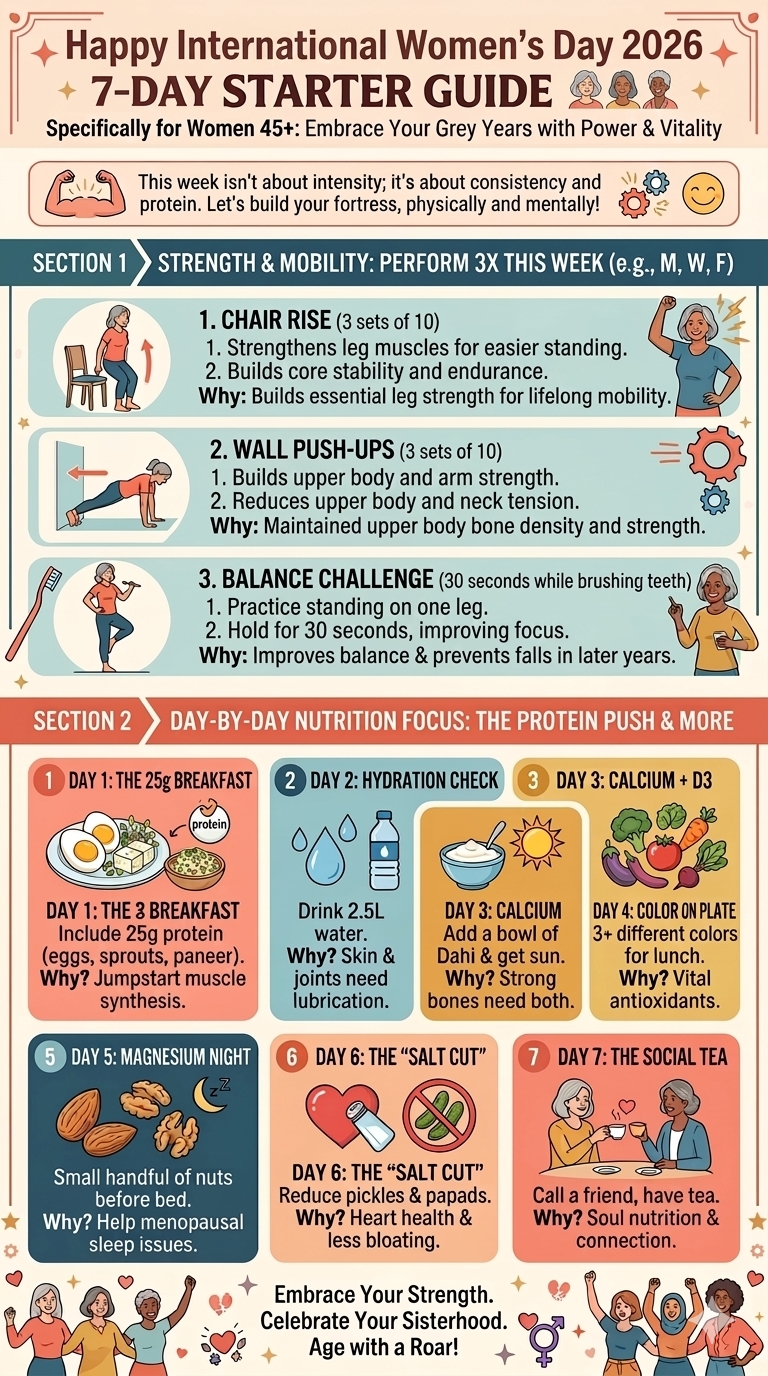
- Strength Training is Non-Negotiable: You must lift weights or use resistance bands. Walking is great for the heart, but only resistance training saves your bones and builds the muscle needed to keep you mobile at 80.
- Protein & Calcium: Our Indian diets are often carbohydrate heavy. Shift the focus to high-quality protein and ensure your Vitamin D and Calcium levels are optimized to prevent the “shrinking” effect of age.
2. Mental & Social Wealth
The “Grey Years” in a nuclear-family setup can be lonely. Loneliness is as toxic to health as smoking 15 cigarettes a day.
- The “Sisterhood” Circle: Do not let your friendships fade. Build a “tribe” of female counterparts. These are the women who will show up for you when the house is empty. Invest in these bonds as much as you invest in your savings.
- Cognitive Agility: Learn a new skill, pick up a hobby, or volunteer. Keeping the brain “plastic” is our best defense against age-related cognitive decline.
A Final Word to My Fellow Women
We have spent our 20s, 30s, and 40s caring for everyone else—children, spouses, and aging parents. On this International Women’s Day, I am asking you to be “selfishly” proactive. The data tells us we will be here for a long time. Let’s make sure we are strong enough, healthy enough, and surrounded by enough love to enjoy every bit of it.
Happy International Women’s Day to the architects of our future selves.
Dr. Shilpa Aravalli,
Consultant Physician
Prakriya Hospitals