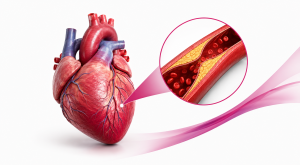
Pre-eclampsia is a condition that can happen during pregnancy. It affects how blood flows around the body and can involve several organs.
Important things to know:
- Many women feel well at first and may not notice symptoms early on
- Pre-eclampsia affects the blood vessels, which can reduce blood supply to important organs.
Which parts of the body can be affected?
- Kidneys
- Liver
- Heart and blood vessels
- Brain
- Blood clotting system
Common signs doctors look for:
- High blood pressure
- Protein in the urine
- Swelling (oedema)
These signs are common, but they are not always present, so pre-eclampsia can still exist without them.
Symptoms you might notice:
- Headaches that don’t go away
- Blurred vision or flashing lights
- Pain under the ribs on the right side or in the upper tummy
- Nausea or vomiting
- Sudden or rapidly increasing swelling (especially face, hands, or feet)
Why monitoring is important:
- Pre-eclampsia can be mild or severe
- It can start suddenly or develop slowly
- Symptoms can appear in different orders for different women
Regular antenatal check-ups help doctors detect and manage pre-eclampsia early, even before symptoms appear.
Maternal Risks
If not well controlled, pre-eclampsia can lead to:
- Stroke or brain bleeding
- Failure of several organs
- Breathing problems
These are the most serious risks to the mother.
Fetal Risks
Pre-eclampsia can affect the placenta, which may lead to:
- Poor growth of the baby
- Placental separation (abruption)
- In very severe cases, loss of the baby before birth
Key Message
Pre-eclampsia is a serious but treatable condition, especially when identified early. Regular check-ups, blood pressure monitoring, and prompt treatment greatly reduce risks for both mother and baby.
Dr. K Kanaka Seshu
MBBS,MS(OBG), RCOG Advanced Fellowship in Maternal Medicine
Consultant – Gynecologist / Obstetrician